A. Service Scope and Client Fit
A1We have not been breached. Why do we need brand protection?
Because criminals use your name whether or not you are breached. Fake websites, apps, customer-care numbers and profiles deceive your customers in your name, and the complaints come to you.
A2Who should own brand abuse inside our company?
Usually a named owner in marketing, digital or security, with legal and customer service involved. Codec Networks sets up one brand asset register and a clear escalation path so nothing falls between teams.
A3Can you monitor our executives?
Yes, for impersonation and exposure of their professional identities: fake profiles, deepfakes, look-alike accounts and public exposure that could be used for fraud. Monitoring is agreed with each executive.
A4Is a crisis plan different from our incident response plan?
Yes. Incident response restores systems; a crisis plan covers decisions, disclosures and communication with customers, staff, investors, regulators and media. Codec Networks links the two.
A5What is competitive intelligence in this service?
Insight from lawful open and commercial sources about who is targeting your sector and brand, public signals about adversaries and market threats, and executive exposure. It never involves unlawful access or deception.
A6Can you help after a leak has already happened?
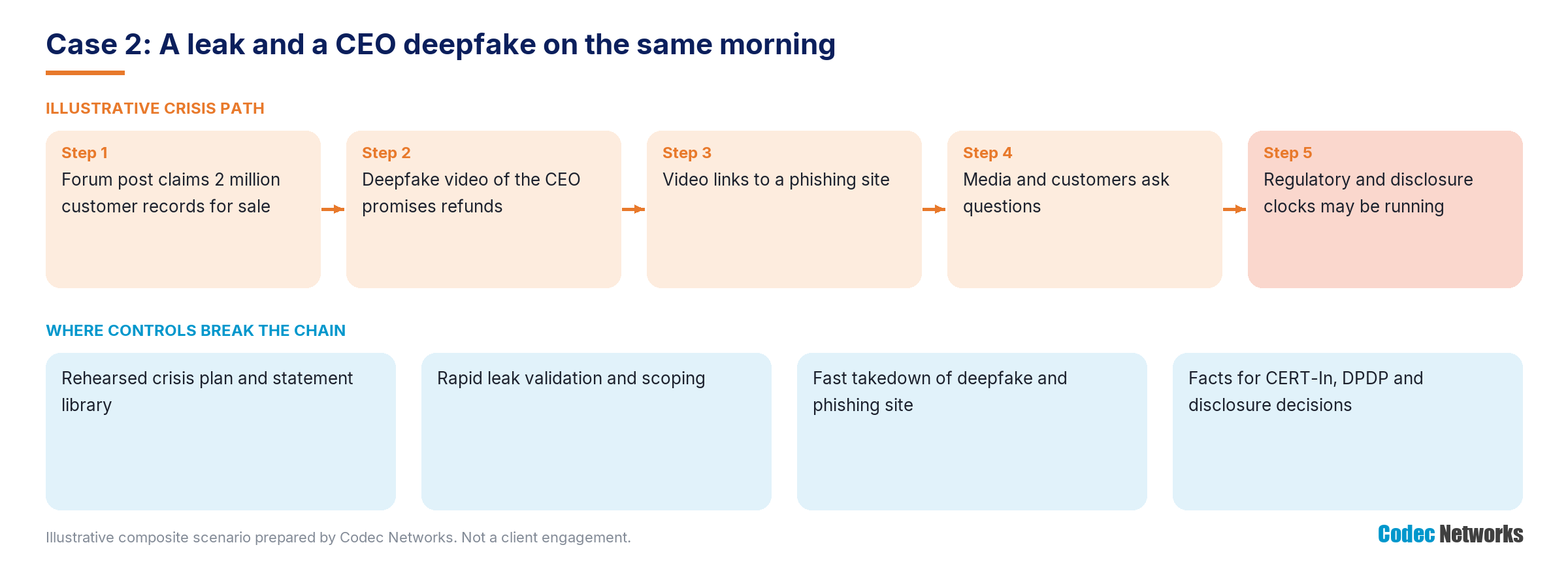
Yes. Codec Networks validates the leak, assesses what was exposed, supports containment, resets and notification decisions, and monitors for further spread.
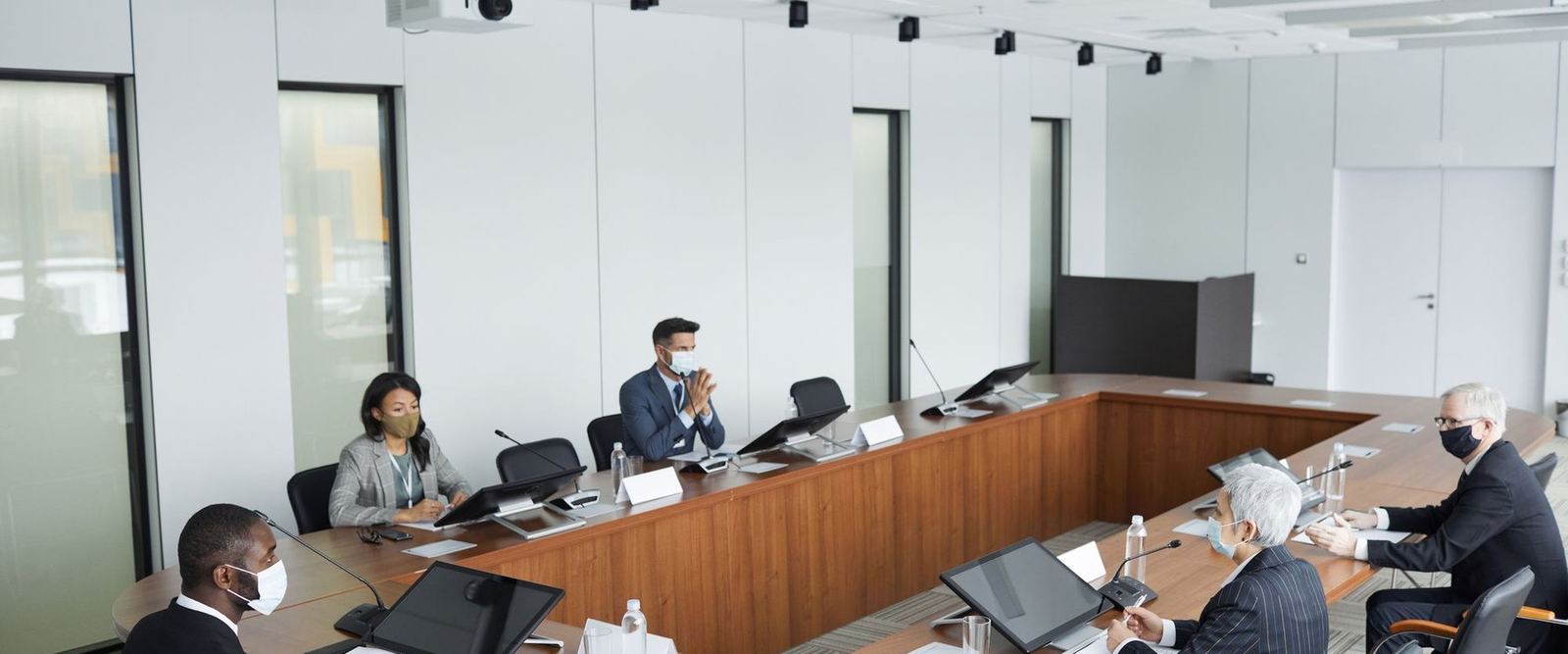
A7Who should attend a Board tabletop?
Typically the chair or nominated directors, the CEO, CFO, General Counsel, communications head, CISO and key business leaders. Codec Networks agrees the list with the sponsor.
A8Do you write our public statements?
Codec Networks drafts holding statements, FAQs and notices and advises on tone and timing. Your leadership approves and issues every public statement.
B. Laws, Takedown Routes and Regulatory Alignment
B1What changed in India's IT Rules in 2026?
As general information: amendments notified on 10 February 2026 require intermediaries to remove flagged unlawful content within three hours and to label synthetically generated information. These routes help brand takedowns and deepfake removal.
B2How do you take down a fake domain?
By filing abuse reports with the registrar and host with evidence of phishing or fraud, and, where needed, by supporting a dispute under ICANN's UDRP or the .IN Domain Name Dispute Resolution Policy with your counsel.
B3Is impersonating a brand or executive a crime in India?
As general information: the IT Act makes identity theft (Section 66C) and cheating by personation using computer resources (Section 66D) offences, and the Bharatiya Nyaya Sanhita covers cheating by personation. Your counsel advises on complaints.
B4Must we report a data leak?
Possibly to several bodies. As general information: CERT-In's 2022 Directions require specified incidents, including data leaks, to be reported within six hours; the DPDP Act requires intimation of personal data breaches; and listed companies may have disclosure duties.
B5What penalties apply to leaked personal data?
As general information: the DPDP Act allows penalties of up to ₹250 crore for failing to take reasonable security safeguards and up to ₹200 crore for failing to intimate a breach, among other penalties in its Schedule.
B6Where can customers report scam calls and messages?
On the Department of Telecommunications' Sanchar Saathi portal through Chakshu, and financial cyber fraud on helpline 1930 or the National Cyber Crime Reporting Portal. Brands can point customers to these channels.
B7Do listed companies have to disclose cyber incidents?
As general information: SEBI's LODR Regulations require disclosure of material events and of cyber security incidents in quarterly corporate governance reports. Your company secretary confirms what applies.
B8Which crisis management standard do you follow?
ISO 22361:2022 for crisis management, with ISO 22301 for business continuity and NIST SP 800-84 for exercise programmes.
C. Engagement Approach and Delivery
C1How does brand monitoring start?
With a brand asset register of official names, domains, apps, accounts and executives, then a baseline sweep of current abuse, then continuous monitoring.
C2How quickly are fakes taken down?
It depends on the platform. Codec Networks files validated requests promptly and follows up; many platforms act within hours to days, and the 2026 IT Rules set shorter timelines for flagged unlawful content.
C3How do you avoid false takedowns?
Every finding is validated by an analyst against your official asset register before a request is filed.
C4How do you monitor the dark web safely and lawfully?
Through commercial intelligence services and lawful collection from forums and channels, without buying stolen data or engaging in crime.
C5How is a crisis plan built?
Through workshops on scenarios and stakeholders, then a plan with roles, decision rights, notification maps and statements, walked through with the crisis team.
C6How realistic are your exercises?
Scenarios use your own risks and timed injects such as mock social posts, journalist calls, regulator questions and ransom demands.
C7Can exercises include a deepfake of our CEO?
Yes, with the CEO's agreement. A simulated deepfake inject tests verification, communication and takedown decisions.
C8What happens after an exercise?
Codec Networks debriefs participants, records decision gaps, updates the plan and statements, and tracks actions to closure.
D. Commercials, Timelines and Effort
D1How is brand monitoring priced?
A one-time set-up and baseline sweep, then a monthly subscription based on brands, executives, channels and takedown volume. Document 7 gives indicative bands.
D2How long does a crisis plan take?
Typically four to eight weeks, including scenarios, the plan, the notification map and statements for the top scenarios.
D3How much does a Board tabletop cost?
Typically from ₹5 lakh to ₹20 lakh depending on size, scenarios and follow-up; larger executive simulations cost more.
D4Are domain dispute fees included?
No. Filing fees for UDRP or .IN disputes and counsel's fees are separate and listed in proposals.
D5Can we start small?
Yes. Many clients start with a baseline sweep and one tabletop, then move to monthly monitoring.
D6Do bundles cost less?
Yes. Brand Shield, Trust and Crisis Ready and Reputation Command cost less than their parts because the asset register, feeds and crisis plan are shared.
D7Is there a minimum term for monitoring?
Proposals usually set an initial term so that baseline abuse can be cleared; terms are agreed in the proposal.
D8Is on-call crisis advice available?
Yes, through a crisis retainer that provides a senior adviser during live incidents.
E. Reporting, Evidence and Ongoing Support
E1What will leadership receive?
A monthly or quarterly dashboard: abuse found and removed, leaks detected and contained, intelligence highlights and exercise actions.
E2What evidence do you keep for takedowns?
Screenshots, URLs, timestamps, registrar and host details and request records, kept in a takedown log for disputes and complaints.
E3Can findings support legal action?
Yes. Evidence is collected and recorded so that counsel can use it in disputes, complaints or proceedings.
E4How do you measure success?
By time to detect and take down abuse, number of scams removed, time to detect leaks, and decision gaps closed after exercises.
E5How often should we update the crisis plan?
At least annually, after every real incident and after major changes in leadership, products or regulation.
E6Do you train our spokespeople?
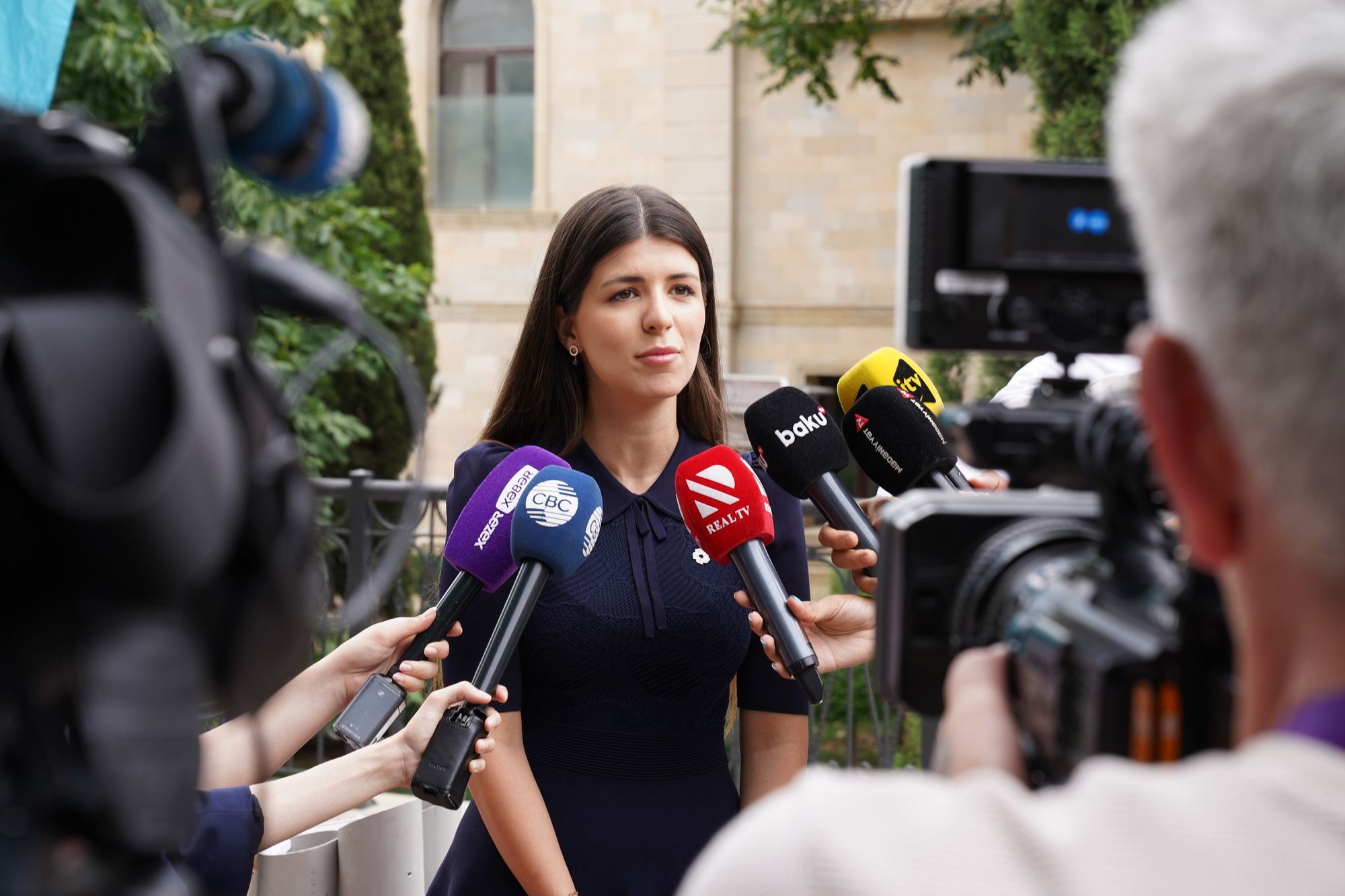
Yes. Media drills with mock interviews and press conferences give spokespeople practice and feedback.
E7How does this connect to our SOC?
Indicators from brand and threat intelligence, such as phishing domains, are shared with the SOC so they can be blocked.
E8Will you help in a live crisis?
Yes. Under a crisis retainer Codec Networks provides on-call advice, monitoring of sentiment and misinformation, and support from its forensic and incident response teams.