

Resources Categories
INDUSTRY FACT FILE · CLOUD, DATA CENTRES & HOSTING
Five New Case Studies in Cloud and Data Centre Security
Original 2026 case studies, each written as a blog post, showing how current threats play out for infrastructure providers and how Codec Networks services break the attack chain.
|
In this document 1. About these case studies 2. Case Study 1: The Hypervisor Ransomware Weekend 3. Case Study 2: The VPS That Attacked a Bank 4. Case Study 3: The Out-of-Band Door Left Open 5. Case Study 4: The Snapshot That Went Public 6. Case Study 5: The Cooling System That Became a Cyber Incident |
About these case studies
These five case studies were written for this document set and have not been published elsewhere. Each is a composite scenario combining attack techniques and control failures widely observed among cloud, data centre and hosting providers with the obligations that apply in India as of October 2026—in particular CERT-In's Directions, MeitY empanelment, customer regulators' cloud requirements and the DPDP framework.
|
Important disclosure The organisations described are fictional and the scenarios are illustrative. They are not accounts of real incidents, and they are not Codec Networks client engagements or claims of achieved outcomes. Their value lies in showing how connected weaknesses form an attack chain, which controls break it, and which services test those controls. |
|
Case study |
Provider type |
Core threat |
Regulatory lens |
Primary bundles |
|
1. The Hypervisor Ransomware Weekend |
Managed hosting provider |
Ransomware at the virtualisation layer |
CERT-In; customer SLAs; DPDP |
B3, B7, B8 |
|
2. The VPS That Attacked a Bank |
VPS provider |
Platform abuse with fake identities |
CERT-In subscriber records; law enforcement |
B4, B7, B2 |
|
3. The Out-of-Band Door Left Open |
Bare-metal and GPU provider |
Exposed BMC/IPMI interfaces |
CERT-In; customer contracts |
B1, B3, B7 |
|
4. The Snapshot That Went Public |
Cloud service provider |
Insecure defaults and customer misconfiguration |
DPDP; shared responsibility; CERT-In |
B2, B3, B6 |
|
5. The Cooling System That Became a Cyber Incident |
Colocation operator |
Facility BMS compromise |
CERT-In; customer SLAs; safety |
B3, B7, B10 |
Case Study 1: The Hypervisor Ransomware Weekend
The guest operating systems were fully protected. The attack happened underneath them.
|
At a glance |
|
|
Organisation |
A managed hosting provider (“Host A”) running several hundred customer VMs |
|
Threat |
Exploitation of an internet-reachable hypervisor management interface |
|
Why it is new |
Encrypting at the hypervisor bypasses guest security and hits every customer |
|
Codec Networks services |
Virtualisation hardening, SOC monitoring, incident response (Bundles B3, B7, B8) |
The scenario
Host A's hypervisor management interfaces were reachable from the internet for convenience, and a published vulnerability had not been patched.
On a Saturday night attackers exploited it and encrypted virtual machine files directly on the hypervisors. Backups on the same management domain were deleted.
Hundreds of customer services went down at once. Host A had to report to CERT-In within six hours and manage hundreds of customer notifications.
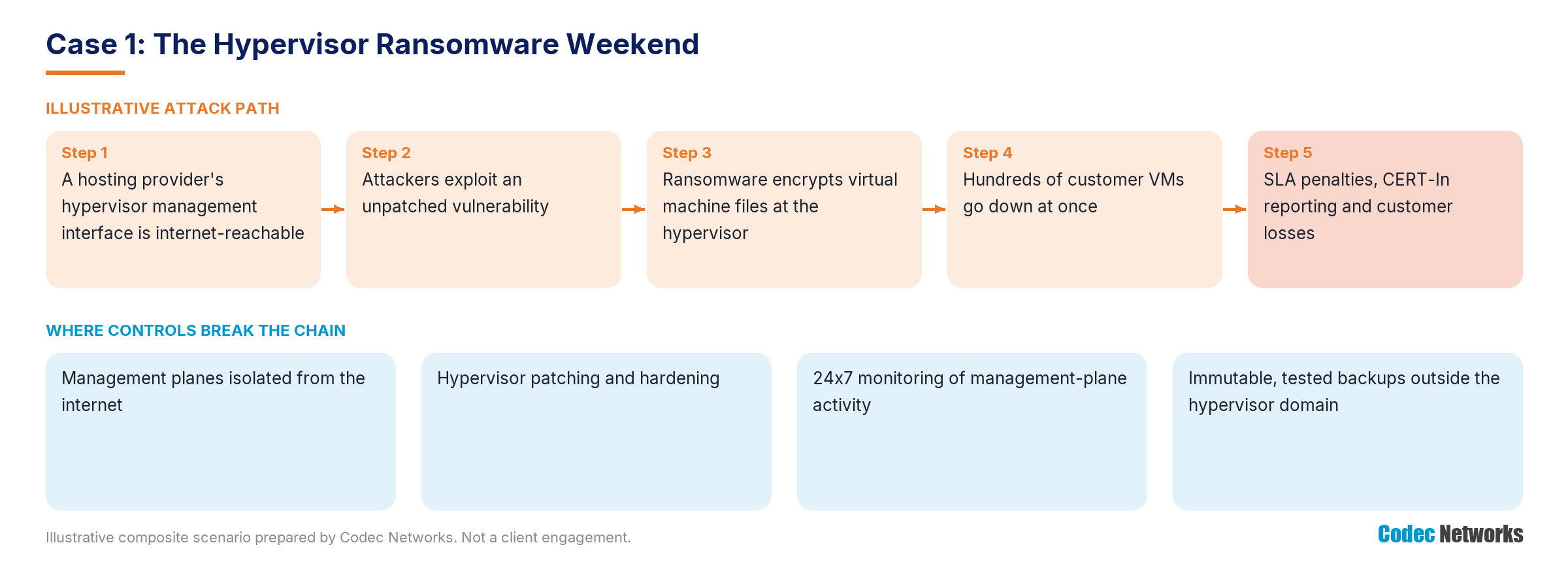
Figure 8: Illustrative attack path for Case Study 1 and the controls that break it.
What went wrong
- Management planes were internet-reachable.
- Hypervisors were not patched promptly.
- Backups shared the hypervisor admin domain.
- Management-plane activity was not monitored.
The impact
Host A faced SLA penalties, customer departures and claims, and some customers faced their own reporting obligations.
The regulatory lens
- CERT-In Directions: incidents reported within six hours.
- Customer contracts and SLAs: availability, recovery and notification commitments.
- DPDP Act and Rules: customers' personal data safeguards and breach intimation once provisions commence.
How Codec Networks would help
|
Need |
Codec Networks response |
Bundle |
|
Harden the layer |
Virtualisation and management-plane review |
B3 |
|
Watch the plane |
24x7 management-plane monitoring |
B7 |
|
Recover customers |
Ransomware response and restoration support |
B8 |
|
Key lessons Keep management planes off the internet. Patch hypervisors quickly. Separate backups from production admin. Monitor management-plane activity. |
Case Study 2: The VPS That Attacked a Bank
The servers were paid for. The identities were not real.
|
At a glance |
|
|
Organisation |
A VPS provider (“Provider B”) with self-service sign-up |
|
Threat |
VPS instances rented with fake identities to host bank phishing sites |
|
Why it is new |
Cheap, fast infrastructure is attractive to criminals |
|
Codec Networks services |
Onboarding and records review, abuse monitoring, portal testing (Bundles B4, B7, B2) |
The scenario
Criminals signed up for dozens of VPS instances using stolen identity details and prepaid cards.
The servers hosted phishing pages impersonating a major bank and harvested thousands of customers' credentials.
Law enforcement requested subscriber records. Provider B struggled to produce validated details and had been slow to act on abuse reports.
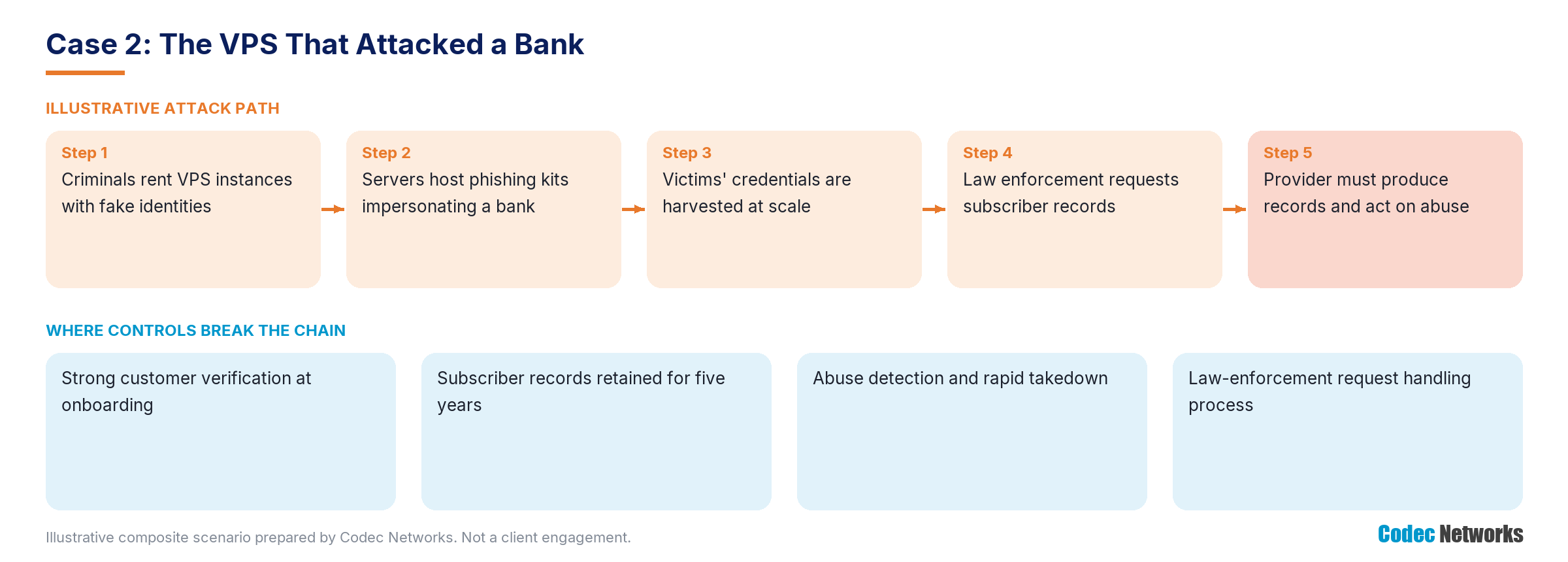
Figure 9: Illustrative attack path for Case Study 2 and the controls that break it.
What went wrong
- Customer identity was not validated at sign-up.
- Subscriber records were incomplete.
- Abuse reports took days to action.
- No detection of phishing-kit hosting.
The impact
Provider B faced regulatory questions about CERT-In record duties, reputational damage and blocklisting of its IP ranges.
The regulatory lens
- CERT-In Directions: validated subscriber records retained for five years after cancellation.
- Law enforcement: lawful requests for subscriber information.
- CERT-In: reporting of phishing and related incidents within six hours where applicable.
How Codec Networks would help
|
Need |
Codec Networks response |
Bundle |
|
Fix onboarding |
Onboarding and subscriber-record gap assessment |
B4 |
|
Spot abuse |
Abuse and phishing-hosting detection |
B7 |
|
Harden sign-up |
Provisioning portal testing |
B2 |
|
Key lessons Validate customer identity. Keep complete subscriber records. Act on abuse within hours. Detect phishing hosting proactively. |
Case Study 3: The Out-of-Band Door Left Open
The attacker never touched the operating system.
|
At a glance |
|
|
Organisation |
A bare-metal provider (“Provider C”) renting GPU servers |
|
Threat |
BMC interfaces with default credentials reachable on a shared network |
|
Why it is new |
Out-of-band access gives control below every software defence |
|
Codec Networks services |
BMC and IPMI testing, segmentation review, monitoring (Bundles B1, B3, B7) |
The scenario
Provider C's BMC interfaces sat on a network reachable from customer servers, and some still used default credentials.
A malicious tenant scanned the network, logged into other servers' BMCs and modified firmware settings, then wiped disks.
Several customers lost data and Provider C had to rebuild servers and prove the platform was clean.
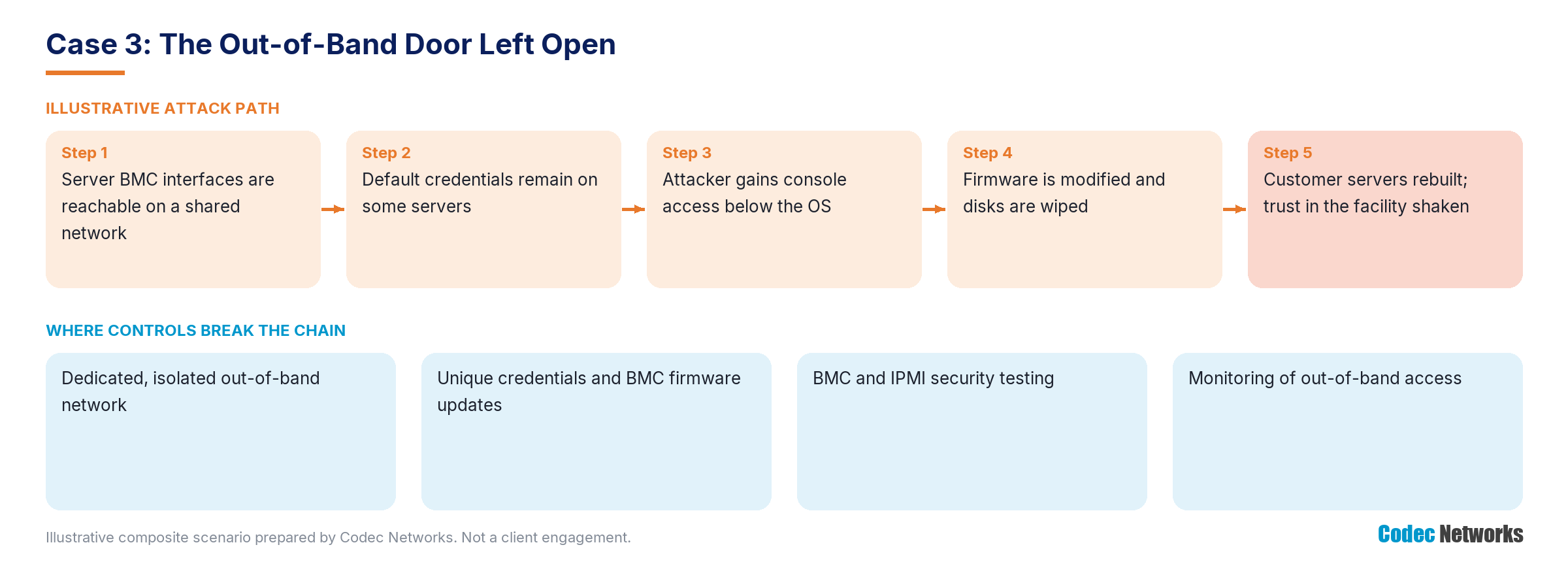
Figure 10: Illustrative attack path for Case Study 3 and the controls that break it.
What went wrong
- No isolated out-of-band network.
- Default BMC credentials remained.
- BMC firmware was outdated.
- BMC access was not logged.
The impact
Provider C faced customer claims and lost trust in its multi-tenant bare-metal offering.
The regulatory lens
- CERT-In Directions: incidents reported within six hours.
- Customer contracts: isolation, security and data-protection commitments.
How Codec Networks would help
|
Need |
Codec Networks response |
Bundle |
|
Test the BMCs |
BMC and IPMI security testing |
B1 |
|
Isolate management |
Out-of-band network segmentation review |
B3 |
|
Log access |
Monitoring of out-of-band access |
B7 |
|
Key lessons Isolate out-of-band management. Remove default credentials. Update BMC firmware. Log every BMC session. |
Case Study 4: The Snapshot That Went Public
The customer clicked 'share'. The console chose 'public'.
|
At a glance |
|
|
Organisation |
A regional cloud provider (“Cloud D”) serving SMEs and start-ups |
|
Threat |
A storage snapshot shared publicly because of a console default |
|
Why it is new |
Defaults decide outcomes for less experienced customers |
|
Codec Networks services |
Console and default review, configuration review, privacy support (Bundles B2, B3, B6) |
The scenario
A customer shared a database snapshot with a support partner. Cloud D's console defaulted the share to public.
The snapshot contained customer personal data. Researchers found it and reported it publicly.
The customer and Cloud D disputed responsibility, and both faced questions about reporting.
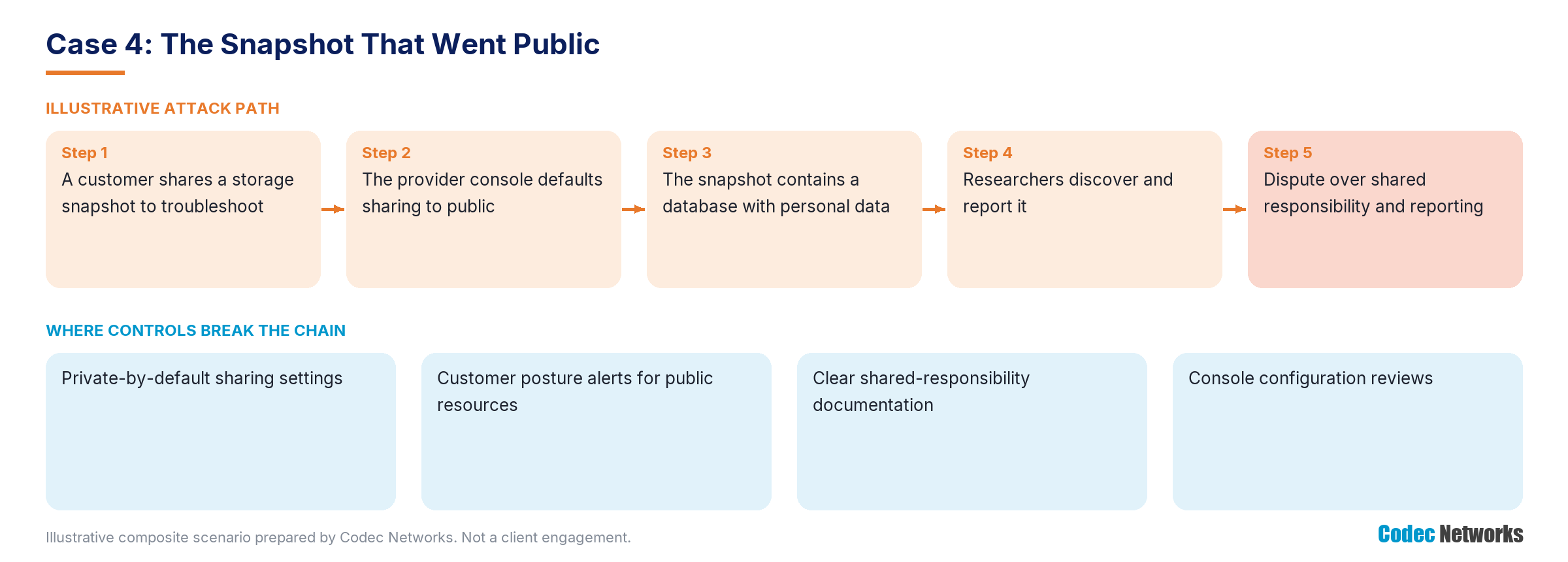
Figure 11: Illustrative attack path for Case Study 4 and the controls that break it.
What went wrong
- Sharing defaulted to public.
- No warning for public resources.
- Shared-responsibility guidance was unclear.
- No posture alerts for customers.
The impact
Cloud D changed its defaults under public pressure; the customer faced data-protection exposure.
The regulatory lens
- DPDP Act and Rules: reasonable safeguards and breach intimation once provisions commence.
- CERT-In Directions: data leaks reported within six hours.
- Customer agreements: shared-responsibility terms.
How Codec Networks would help
|
Need |
Codec Networks response |
Bundle |
|
Fix the console |
Console and secure-default review |
B2 |
|
Check configurations |
Cloud configuration and posture alerting review |
B3 |
|
Support privacy |
Customer data handling guidance |
B6 |
|
Key lessons Make private the default. Warn before anything goes public. Give customers posture alerts. Document shared responsibility clearly. |
Case Study 5: The Cooling System That Became a Cyber Incident
No server was hacked. They simply got too hot.
|
At a glance |
|
|
Organisation |
A colocation operator (“Colo E”) hosting BFSI and enterprise racks |
|
Threat |
Remote manipulation of the building management system through a phished vendor engineer |
|
Why it is new |
Facility OT is often outside the security team's view |
|
Codec Networks services |
Facility OT assessment, OT monitoring, facility exercises (Bundles B3, B7, B10) |
The scenario
Colo E's BMS was supported remotely by a facilities vendor through a VPN account shared by several engineers.
Attackers phished one engineer, logged in and changed cooling setpoints overnight while suppressing alarms.
Halls overheated and customer servers shut down. Colo E faced a multi-customer outage and a safety investigation.
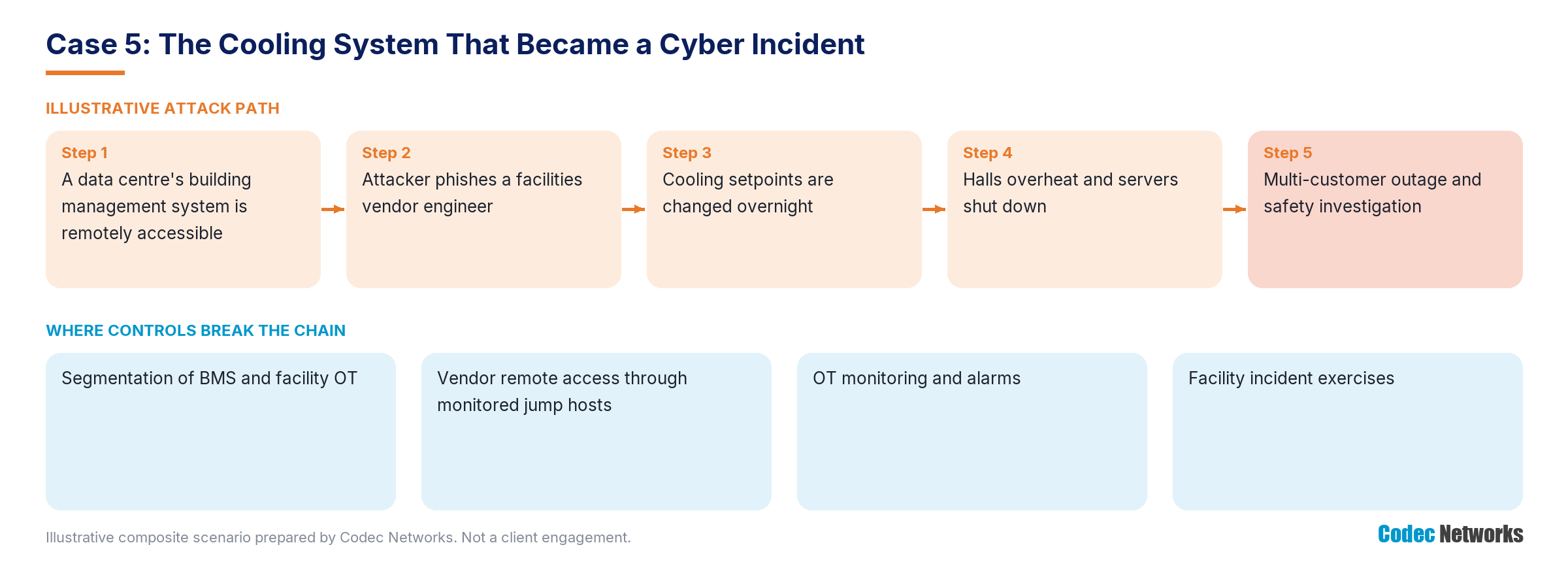
Figure 12: Illustrative attack path for Case Study 5 and the controls that break it.
What went wrong
- BMS was not segmented from vendor and corporate networks.
- Vendor access was shared and unmonitored.
- OT alarms could be suppressed remotely.
- Facility incidents were never exercised.
The impact
Colo E paid SLA penalties, BFSI customers informed their regulators, and Colo E rebuilt its facility security model.
The regulatory lens
- CERT-In Directions: incidents reported within six hours.
- Customer SLAs: availability commitments and penalties.
- Customer regulators: BFSI customers' outsourcing and resilience obligations.
How Codec Networks would help
|
Need |
Codec Networks response |
Bundle |
|
Segment the facility |
Facility OT and BMS assessment |
B3 |
|
Watch the plant |
OT and alarm monitoring |
B7 |
|
Rehearse |
Facility incident exercises |
B10 |
|
Key lessons Segment facility OT. Give vendors named, monitored access. Protect alarms from tampering. Exercise facility incidents. |
Talk to Codec Networks
|
Contact Codec Networks Pvt. Ltd. New Delhi: 507, 5th Floor, New Delhi House, Barakhamba Road, Connaught Place, New Delhi – 110001 Gurugram: 707, 7th Floor, Silverton Tower, Golf Course Extension Road, Sector 50, Gurugram – 122018, Haryana Landline: 011 430 496 96 | 011 437 522 99 Mobile: +91 99716 76124 | +91 88007 88220 | +91 88003 31124 Email: mktg@codecnetworks.com Web: www.codecnetworks.com |