

Resources Categories
INDUSTRY FACT FILE · INSURANCE
Five New Case Studies in Insurance Security
Original 2026 case studies, each written as a blog post, showing how current threats play out under IRDAI's 2026 guidelines and how Codec Networks services break the attack chain.
|
In this document 1. About these case studies 2. Case Study 1: Ransomware Before Renewal Season 3. Case Study 2: The TPA Portal That Shared Too Much 4. Case Study 3: The Claims Ring and the Forged Bills 5. Case Study 4: The Policyholder Who Never Asked for a Refund 6. Case Study 5: The Cloud Bucket of Proposal Forms |
About these case studies
These five case studies were written for this document set and have not been published elsewhere. Each is a composite scenario combining attack techniques and control failures widely observed in insurance with the obligations that apply in India as of October 2026—in particular IRDAI's Information and Cyber Security Guidelines, 2026, CERT-In's Directions and the DPDP framework.
|
Important disclosure The organisations described are fictional and the scenarios are illustrative. They are not accounts of real incidents, and they are not Codec Networks client engagements or claims of achieved outcomes. Their value lies in showing how connected weaknesses form an attack chain, which controls break it, and which services test those controls. |
|
Case study |
Insurer type |
Core threat |
Regulatory lens |
Primary bundles |
|
1. Ransomware Before Renewal Season |
Standalone health insurer |
Ransomware and medical data theft |
IRDAI 2026 (6-hour reporting, BCP/DR); DPDP |
B7, B10, B8 |
|
2. The TPA Portal That Shared Too Much |
General insurer with health portfolio |
Partner portal exposing medical records |
IRDAI 2026 vendor requirements; DPDP |
B2, B9, B6 |
|
3. The Claims Ring and the Forged Bills |
Health and motor insurer |
Organised claims fraud with insider help |
IRDAI fraud monitoring; IRDAI 2026 |
B8, B7, B9 |
|
4. The Policyholder Who Never Asked for a Refund |
Life insurer |
Fake helpline and surrender diversion |
IRDAI 2026; CERT-In |
B2, B7, B10 |
|
5. The Cloud Bucket of Proposal Forms |
Life and health insurer |
Cloud misconfiguration exposing medical histories |
IRDAI 2026 cloud requirements; DPDP |
B3, B6, B8 |
Case Study 1: Ransomware Before Renewal Season
The attackers timed it for the busiest weeks of the year—and the backups were on the same network.
|
At a glance |
|
|
Organisation |
A standalone health insurer (“Insurer A”) with a national cashless network |
|
Threat |
Ransomware encrypting policy and claims systems after data theft |
|
Why it is new |
Tests IRDAI's annual BCP/DR testing and 6-hour reporting requirements |
|
Codec Networks services |
Managed SOC, ransomware simulation, backup and BCP/DR testing, incident response (Bundles B7, B10, B8) |
The scenario
A phishing email compromised a claims executive's workstation. Over several days the attacker escalated privileges and reached claims and policy servers.
Before renewal season, medical records were exfiltrated and systems encrypted. Cashless approvals stopped and hospitals began asking patients to pay upfront.
Insurer A had to restore services, communicate with policyholders and hospitals and report to CERT-In and IRDAI within six hours.
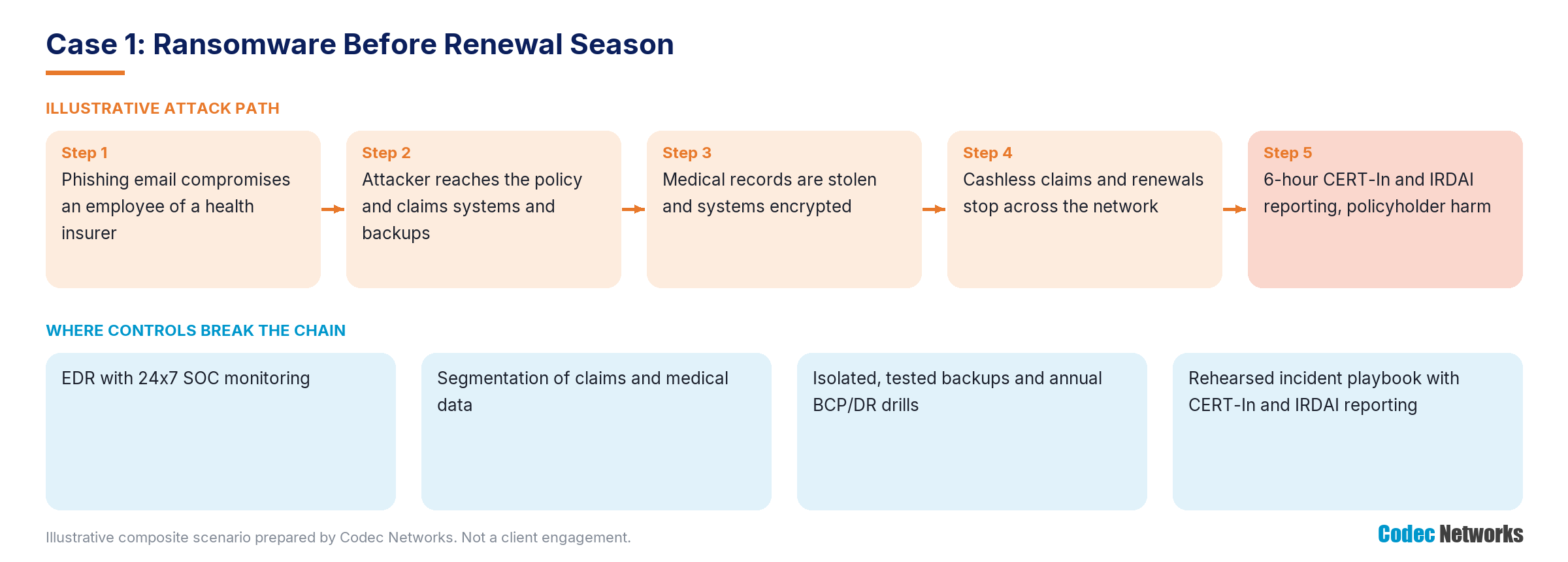
Figure 8: Illustrative attack path for Case Study 1 and the controls that break it.
What went wrong
- Medical data was not segmented from user networks.
- Backups were reachable from the compromised domain.
- EDR alerts were not investigated out of hours.
- BCP/DR had not been tested against a ransomware scenario.
The impact
Insurer A faced policyholder harm, hospital disputes, regulatory scrutiny and the prospect of DPDP obligations once breach provisions commence.
The regulatory lens
- IRDAI 2026 guidelines: BCP/DR tested at least annually against realistic scenarios; incidents to CERT-In within six hours with copies to IRDAI.
- Data protection: classification and encryption of confidential data; DPDP measures.
- CERT-In Directions: 180-day log retention supporting investigation.
How Codec Networks would help
|
Need |
Codec Networks response |
Bundle |
|
Detect early |
24x7 SOC with EDR/XDR |
B7 |
|
Prove recovery |
Segmentation, backup isolation, ransomware simulation, BCP/DR drills |
B10 |
|
Respond and report |
IR retainer and reporting support |
B8 |
|
Key lessons Segment medical data from everything else. Keep backups out of the attacker's reach. Watch alerts around the clock. Test BCP/DR against ransomware, not just outages. |
Case Study 2: The TPA Portal That Shared Too Much
The insurer's systems were secure. The TPA portal returned anyone's claim file.
|
At a glance |
|
|
Organisation |
A general insurer (“Insurer B”) using a TPA for health claims |
|
Threat |
Broken authorisation in a TPA claims portal API |
|
Why it is new |
IRDAI 2026 requires right-to-audit and security controls for vendors handling insurer data |
|
Codec Networks services |
Partner API testing, vendor assessment, privacy programme (Bundles B2, B9, B6) |
The scenario
The TPA's claims portal API returned full claim files—including diagnoses and treatment details—for any claim ID requested by a logged-in user.
An attacker enumerated claim IDs and downloaded thousands of records.
Some policyholders received extortion messages referencing their medical conditions.
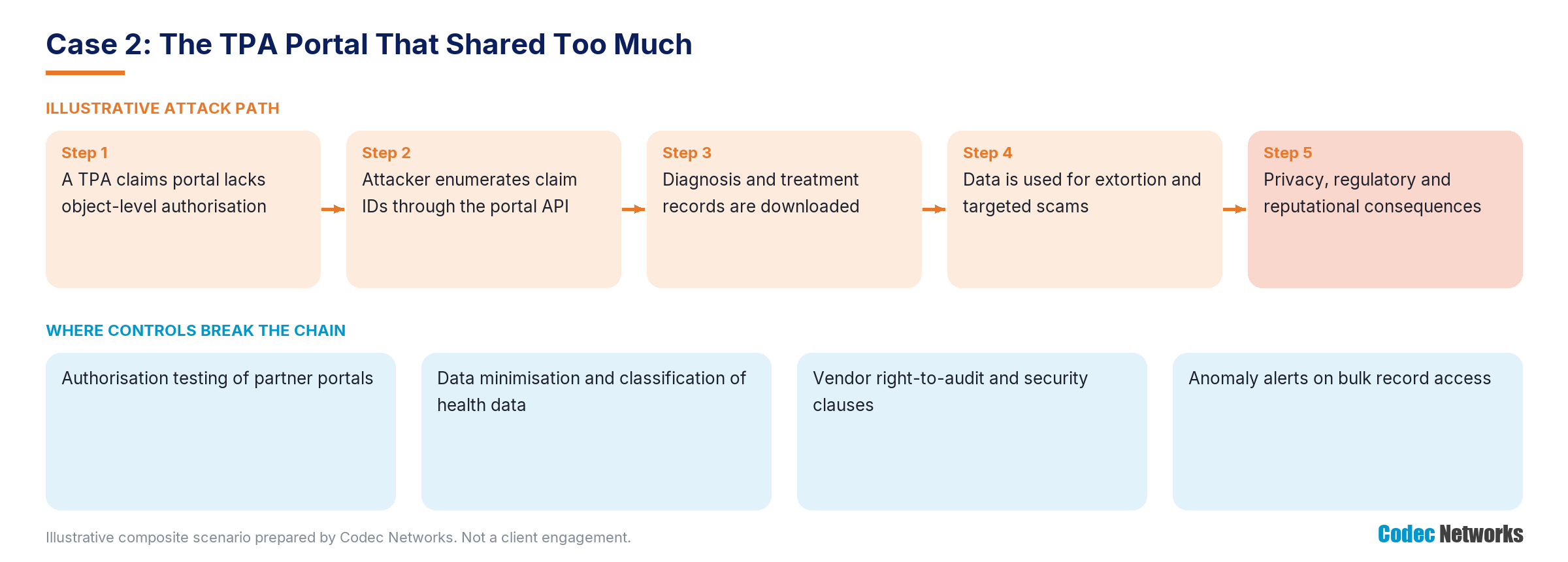
Figure 9: Illustrative attack path for Case Study 2 and the controls that break it.
What went wrong
- No object-level authorisation in the portal API.
- Full medical files returned instead of minimal data.
- No rate limiting or alerts on bulk access.
- The TPA had never been tested by the insurer.
The impact
Insurer B and its TPA faced regulatory reporting, policyholder harm, contract disputes and reputational damage.
The regulatory lens
- IRDAI 2026 guidelines: vendor contracts with right-to-audit clauses; classification and protection of personal data.
- CERT-In Directions: data leaks reported within six hours.
- DPDP Act and Rules: safeguards and breach intimation once provisions commence.
How Codec Networks would help
|
Need |
Codec Networks response |
Bundle |
|
Test the portal |
API authorisation and data-exposure testing |
B2 |
|
Assure the TPA |
Vendor security assessment using right-to-audit |
B9 |
|
Protect health data |
Classification, minimisation and DLP review |
B6 |
|
Key lessons Test partners' portals, not just your own. Return the minimum medical data needed. Alert on bulk record access. Use your right to audit. |
Case Study 3: The Claims Ring and the Forged Bills
The bills looked genuine because a hospital insider helped make them.
|
At a glance |
|
|
Organisation |
An insurer (“Insurer C”) paying claims through hospital and garage networks |
|
Threat |
Forged digital bills and documents submitted with help from a hospital billing clerk |
|
Why it is new |
Digital claims speed up settlement—and organised fraud |
|
Codec Networks services |
Claims-fraud analytics, forensic investigation, partner access review (Bundles B8, B7, B9) |
The scenario
A group of claimants worked with a hospital billing clerk to produce inflated bills and forged discharge summaries.
Claims passed automated checks and were settled quickly.
Months later, analytics revealed unusual links between claimants, bank accounts and the hospital.
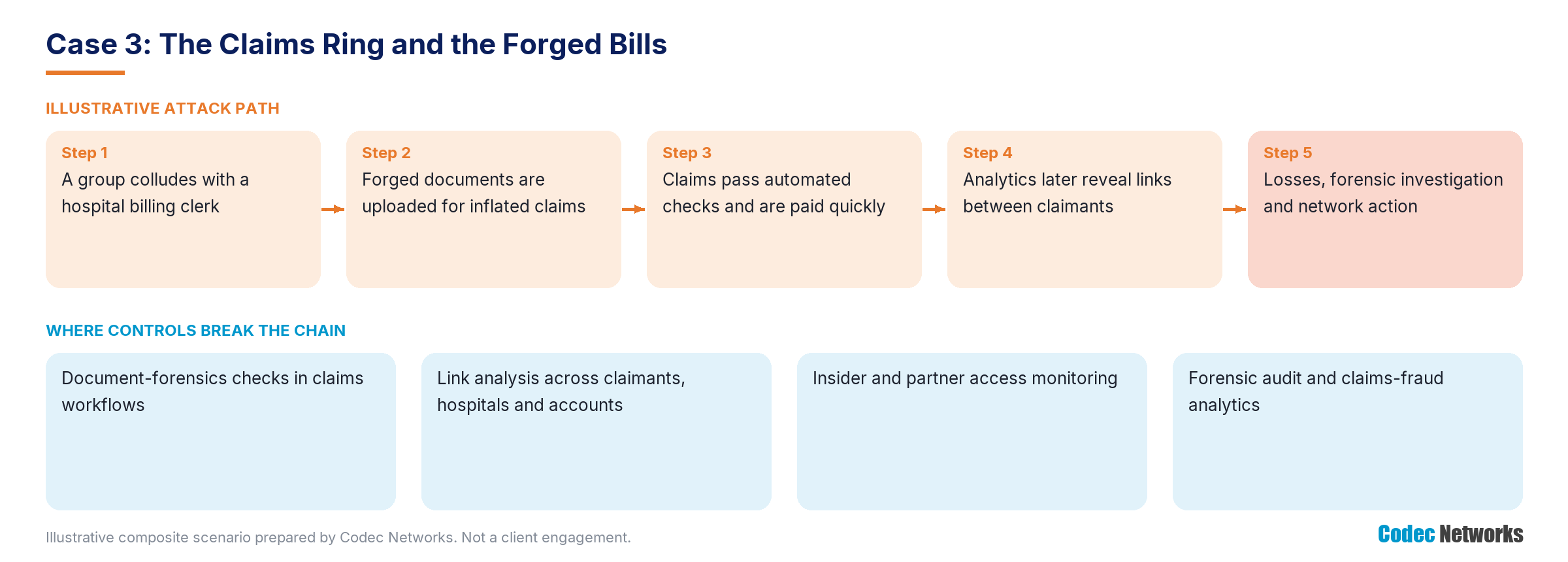
Figure 10: Illustrative attack path for Case Study 3 and the controls that break it.
What went wrong
- No tamper checks on uploaded documents.
- No link analysis across claimants and providers.
- Partner user access was not monitored.
- Fraud review happened long after payment.
The impact
Insurer C suffered claims losses, launched investigations and reviewed its hospital network arrangements.
The regulatory lens
- IRDAI fraud monitoring expectations: insurers must have frameworks to prevent and detect fraud.
- IRDAI 2026 guidelines: access control and supervision of partner access.
- PMLA and law enforcement: reporting and cooperation where applicable.
How Codec Networks would help
|
Need |
Codec Networks response |
Bundle |
|
Find the ring |
Link analysis and claims-fraud analytics |
B7 |
|
Prove it |
Forensic investigation and document forensics |
B8 |
|
Control partners |
Partner access and contract review |
B9 |
|
Key lessons Check documents for tampering automatically. Link claimants, providers and accounts. Monitor partner users' access. Review high-risk claims before payment. |
Case Study 4: The Policyholder Who Never Asked for a Refund
A 'bonus refund' call led to a changed bank account—and a surrender the policyholder never requested.
|
At a glance |
|
|
Organisation |
A life insurer (“Insurer D”) with an online servicing portal |
|
Threat |
Impersonation of the insurer's helpline leading to payout-detail changes and surrender fraud |
|
Why it is new |
Payout and surrender changes are high-value targets; brand impersonation is widespread |
|
Codec Networks services |
Payout-flow testing, SOC monitoring, brand monitoring and awareness (Bundles B2, B7, B10) |
The scenario
Policyholders saw a fake helpline number in search results and social media. Callers promised a 'bonus refund' if they updated KYC.
Fraudsters captured credentials and OTPs, changed bank details on the portal and requested surrenders.
Surrender values were paid to mule accounts before policyholders realised.
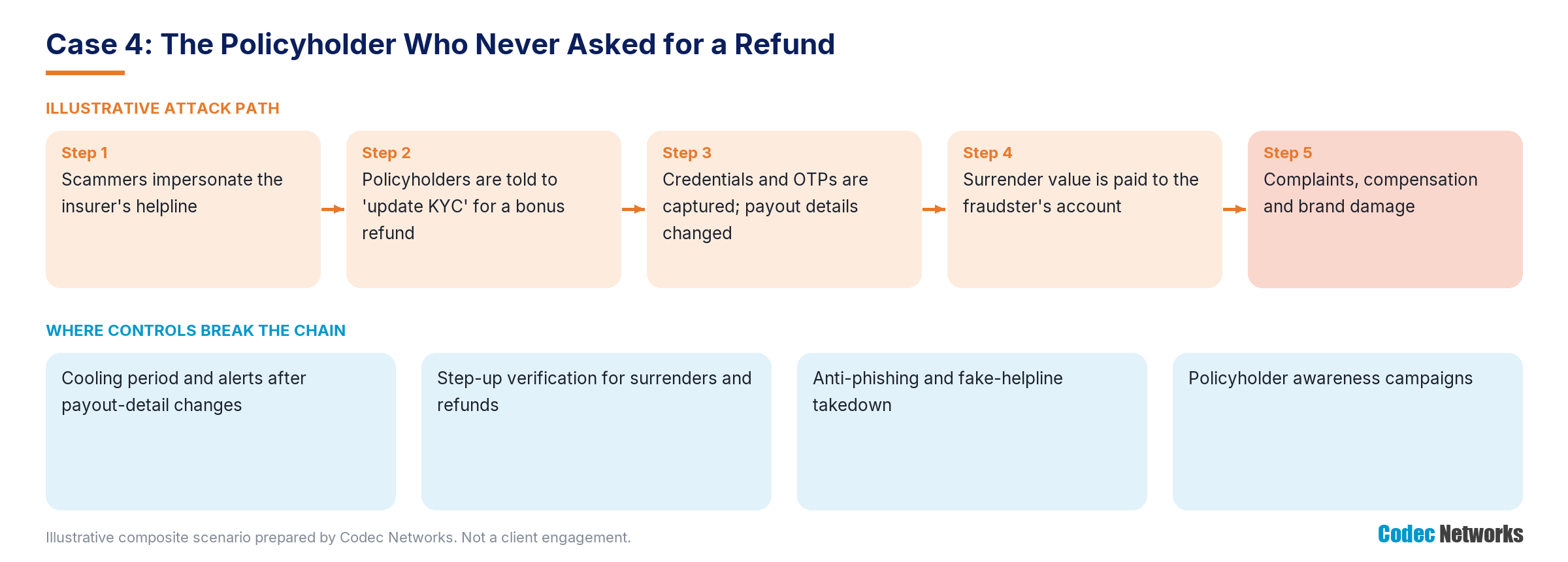
Figure 11: Illustrative attack path for Case Study 4 and the controls that break it.
What went wrong
- No cooling period after bank-detail changes.
- Surrenders were not step-up verified.
- Fake helplines were not monitored or taken down.
- Alerts went only to compromised channels.
The impact
Insurer D compensated policyholders, faced complaints and launched an awareness campaign.
The regulatory lens
- IRDAI 2026 guidelines: security of customer-facing systems and incident reporting.
- CERT-In Directions: phishing and identity-theft incidents reported within six hours.
How Codec Networks would help
|
Need |
Codec Networks response |
Bundle |
|
Fix the flow |
Payout-change and surrender flow testing |
B2 |
|
Spot the fraud |
SOC use cases on payout changes and surrenders |
B7 |
|
Fight impersonation |
Brand monitoring, takedown and awareness |
B10, B7 |
|
Key lessons Add a cooling period after payout changes. Verify surrenders independently. Take down fake helplines fast. Alert policyholders on old channels. |
Case Study 5: The Cloud Bucket of Proposal Forms
The migration finished on time. One storage policy was left wide open.
|
At a glance |
|
|
Organisation |
An insurer (“Insurer E”) migrating proposal documents to cloud |
|
Threat |
Publicly readable storage holding proposal forms with medical histories |
|
Why it is new |
IRDAI 2026 sets specific cloud requirements; DPDP raises the stakes for health data |
|
Codec Networks services |
Cloud review, posture monitoring, privacy programme, incident response (Bundles B3, B6, B8) |
The scenario
During migration, an engineer applied a permissive policy to a bucket containing scanned proposal forms.
Researchers found the bucket and reported it publicly.
Insurer E had to secure the data, assess exposure and report to CERT-In and IRDAI.
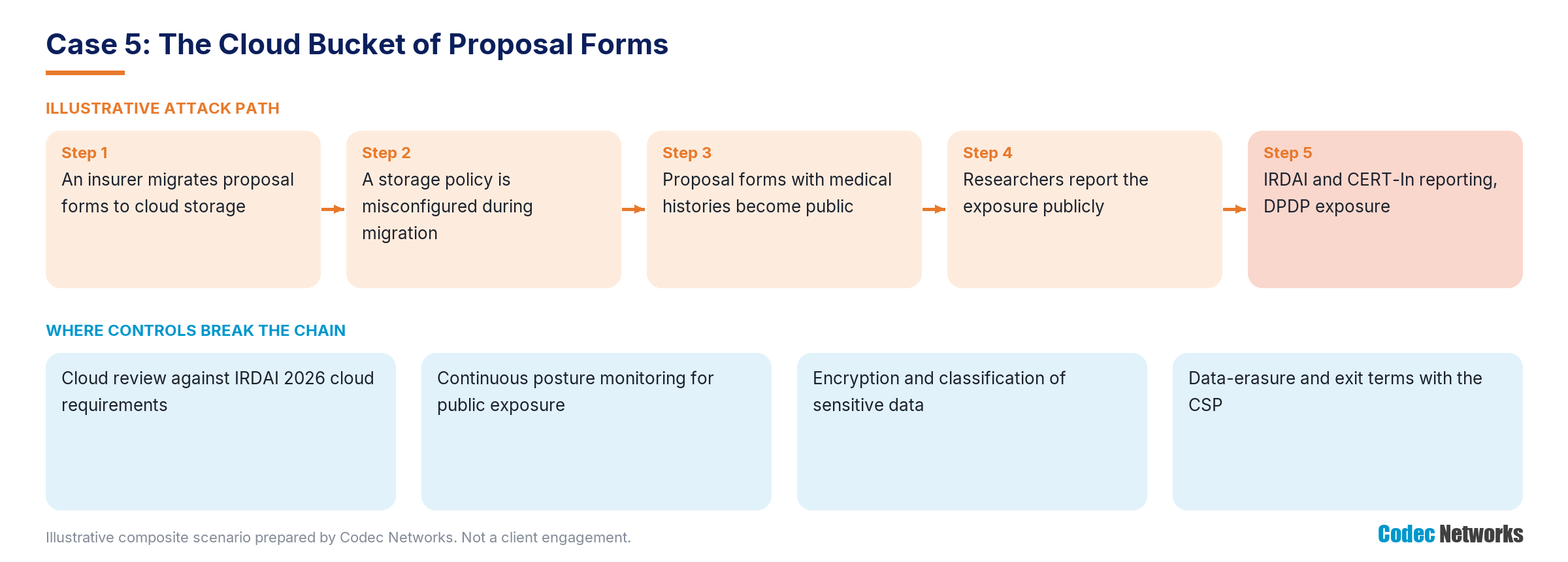
Figure 12: Illustrative attack path for Case Study 5 and the controls that break it.
What went wrong
- Cloud changes were not reviewed against a baseline.
- No continuous posture monitoring.
- Proposal forms were not encrypted or classified.
- CSP contract terms for exit and data erasure had not been reviewed.
The impact
Insurer E faced regulatory reporting, policyholder harm and reputational damage, and DPDP consequences once breach provisions commence.
The regulatory lens
- IRDAI 2026 guidelines: MeitY-empanelled CSPs with STQC audit status; encryption and classification of confidential data.
- CERT-In Directions: data leaks reported within six hours.
- DPDP Act and Rules: safeguards and breach intimation once provisions commence.
How Codec Networks would help
|
Need |
Codec Networks response |
Bundle |
|
Get cloud right |
Cloud review against IRDAI requirements; posture monitoring |
B3 |
|
Protect the data |
Classification and encryption review |
B6 |
|
Respond fast |
IR retainer and reporting support |
B8 |
|
Key lessons Review every cloud change. Monitor storage for public exposure. Classify and encrypt proposal data. Check CSP empanelment and exit terms. |
Talk to Codec Networks
|
Contact Codec Networks Pvt. Ltd. New Delhi: 507, 5th Floor, New Delhi House, Barakhamba Road, Connaught Place, New Delhi – 110001 Gurugram: 707, 7th Floor, Silverton Tower, Golf Course Extension Road, Sector 50, Gurugram – 122018, Haryana Landline: 011 430 496 96 | 011 437 522 99 Mobile: +91 99716 76124 | +91 88007 88220 | +91 88003 31124 Email: mktg@codecnetworks.com Web: www.codecnetworks.com |