

Resources Categories
INDUSTRY FACT FILE · MEDIA, ENTERTAINMENT & DIGITAL PLATFORMS
Five New Case Studies in Media and Platform Security
Original 2026 case studies, each written as a blog post, showing how current threats play out in streaming services, studios, broadcasters, news publishers and gaming platforms and how Codec Networks services break the attack chain.
|
In this document 1. About these case studies 2. Case Study 1: The Final That Doubled as a Password Test 3. Case Study 2: The Screener That Reached Telegram First 4. Case Study 3: The Ransomware That Took the Channel Off Air 5. Case Study 4: The Anchor Who Never Said It 6. Case Study 5: The Tournament API That Leaked Its Players |
About these case studies
These five case studies were written for this document set and have not been published elsewhere. Each is a composite scenario combining attack techniques and control failures widely observed in media, entertainment and digital platforms with the obligations that apply in India as of October 2026—in particular CERT-In's Directions and audit guidelines, the IT Rules as amended in February 2026, the DPDP Act and Rules including the children's-data provisions, TRAI's audit regime, the Cinematograph Act as amended in 2023, the Online Gaming Act and SEBI disclosure for listed companies.
|
Important disclosure The organisations described are fictional and the scenarios are illustrative. They are not accounts of real incidents, and they are not Codec Networks client engagements or claims of achieved outcomes. Their value lies in showing how connected weaknesses form an attack chain, which controls break it, and which services test those controls. |
|
Case study |
Organisation type |
Core threat |
Regulatory lens |
Primary bundles |
|
1. The Final That Doubled as a Password Test |
OTT streaming service |
Credential stuffing and account takeover at live-event scale |
CERT-In; DPDP; payment rules |
B2, B7, B3 |
|
2. The Screener That Reached Telegram First |
Film and series studio |
Pre-release leak through a post-production vendor |
Copyright and Cinematograph Acts; contracts |
B9, B3, B8 |
|
3. The Ransomware That Took the Channel Off Air |
Television broadcaster |
Ransomware spreading from corporate IT into playout |
CERT-In; SEBI LODR; advertiser contracts |
B3, B7, B8 |
|
4. The Anchor Who Never Said It |
Digital news publisher |
Deepfakes of an anchor and a hijacked video channel |
IT Rules 2026; personality rights; CERT-In |
B10, B3, B7 |
|
5. The Tournament API That Leaked Its Players |
Gaming and esports platform |
Player-data exposure and DDoS during a tournament |
DPDP children's data; Online Gaming Act; CERT-In |
B2, B6, B7 |
Case Study 1: The Final That Doubled as a Password Test
The stream never buffered. The login page was another story.
|
At a glance |
|
|
Organisation |
An OTT streaming service (“Streamco A”) with crores of registered users and live cricket rights |
|
Threat |
Automated replay of leaked passwords against a login API with no bot defence or rate limits, timed for the night of a final |
|
Why it is new |
Live events now bring record audiences and give attackers perfect cover |
|
Codec Networks services |
Login and API testing, managed SOC, identity and cloud controls (Bundles B2, B7, B3) |
The scenario
Streamco A's engineers spent months preparing the CDN for the final. Nobody tested the login API, which had no bot management, no rate limits per device and no step-up checks for changes to email, phone or payment methods.
On the night of the final, attackers spread millions of leaked credentials across residential proxies. The surge of genuine traffic hid them, and within hours lakhs of premium accounts had been taken over, their contact details changed and some saved payment methods used for upgrades and add-ons.
The accounts were resold on Telegram within a day. Support queues ran for a week, subscribers complained publicly, and Streamco A had to reset passwords, refund charges and report the incident to CERT-In while explaining to its payment partners what had happened.
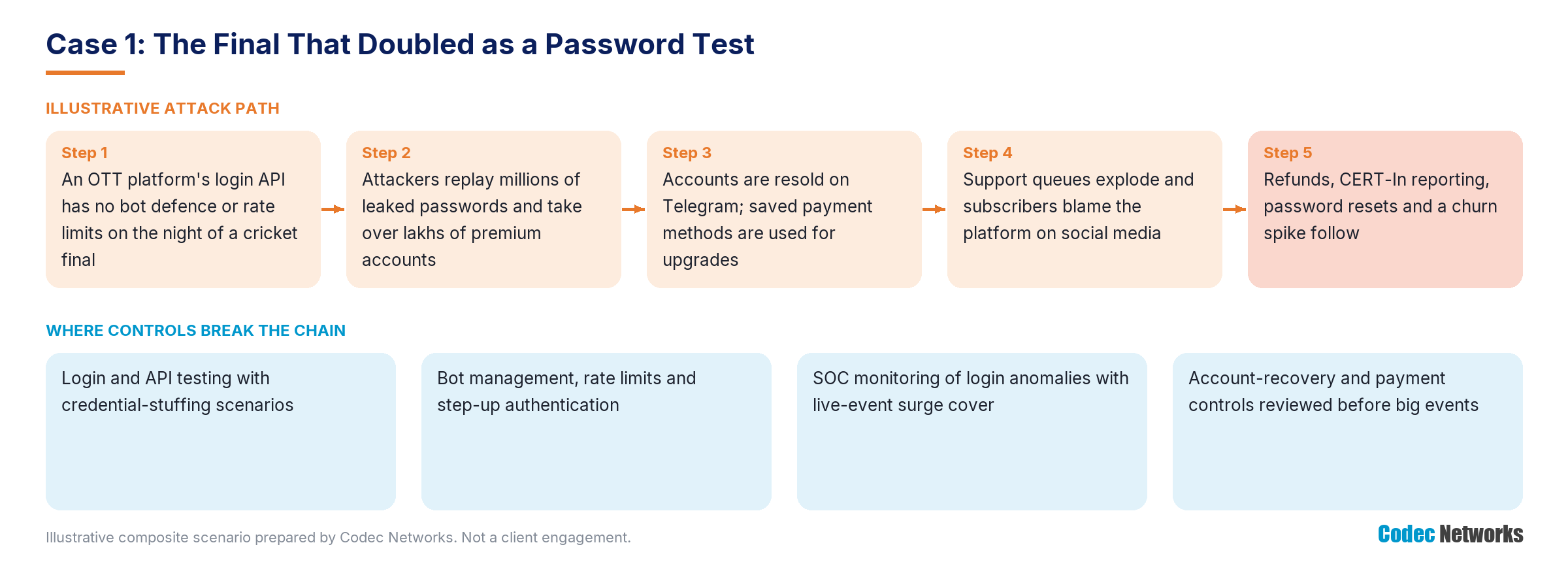
Figure 8: Illustrative attack path for Case Study 1 and the controls that break it.
What went wrong
- No bot defence or rate limiting on login and account APIs.
- No step-up authentication for changes to contact or payment details.
- MFA not offered to subscribers.
- No SOC monitoring of login anomalies during the event.
The impact
Streamco A refunded charges, absorbed support and churn costs, reported to CERT-In, faced questions from payment partners and rights holders, and rebuilt its identity stack before the next season.
The regulatory lens
- CERT-In Directions: incident reported within six hours of noticing it; logs needed for the investigation.
- DPDP: subscriber personal data accessed and altered; intimation to affected persons and the Data Protection Board once provisions commence.
- Payment partners and rights holders: fraud controls and platform security scrutinised under contract.
How Codec Networks would help
|
Need |
Codec Networks response |
Bundle |
|
Test the front door |
Login and account API testing with credential-stuffing scenarios at peak load |
B2 |
|
Watch the surge |
Managed SOC with login-anomaly detection and live-event surge cover |
B7 |
|
Harden identity |
Bot management, rate limits, MFA and step-up checks across apps and cloud |
B3 |
|
Key lessons Load-test your login, not just your stream. Rate-limit and fingerprint every login attempt. Step up authentication for profile and payment changes. Staff the SOC for the whole event window. |
Case Study 2: The Screener That Reached Telegram First
The studio's own systems were never touched. That was the problem.
|
At a glance |
|
|
Organisation |
A film and series studio (“Studioco B”) delivering originals to streaming platforms through dubbing, subtitling and VFX vendors |
|
Threat |
A dubbing vendor's phished account on a shared cloud drive with no MFA, no expiring links and no watermarking |
|
Why it is new |
Content now passes through dozens of vendors, each holding a full copy |
|
Codec Networks services |
Vendor risk programme, cloud and asset controls, forensics and leak tracing (Bundles B9, B3, B8) |
The scenario
Studioco B shared final cuts of a series and a film with a dubbing vendor through a cloud drive folder. The vendor's editor reused a password that had appeared in an earlier breach, and the drive had no MFA, no download limits and no forensic watermarking.
Over a weekend, an attacker logged in with the editor's credentials and downloaded two unreleased episodes and the film cut. Nobody was alerted to the bulk download, and the vendor's logs were kept for only a week.
The episodes appeared on Telegram channels and piracy apps four days before release. The streaming partner demanded an explanation, the release plan was brought forward, and Studioco B spent weeks filing takedown complaints without being able to prove which copy had leaked.
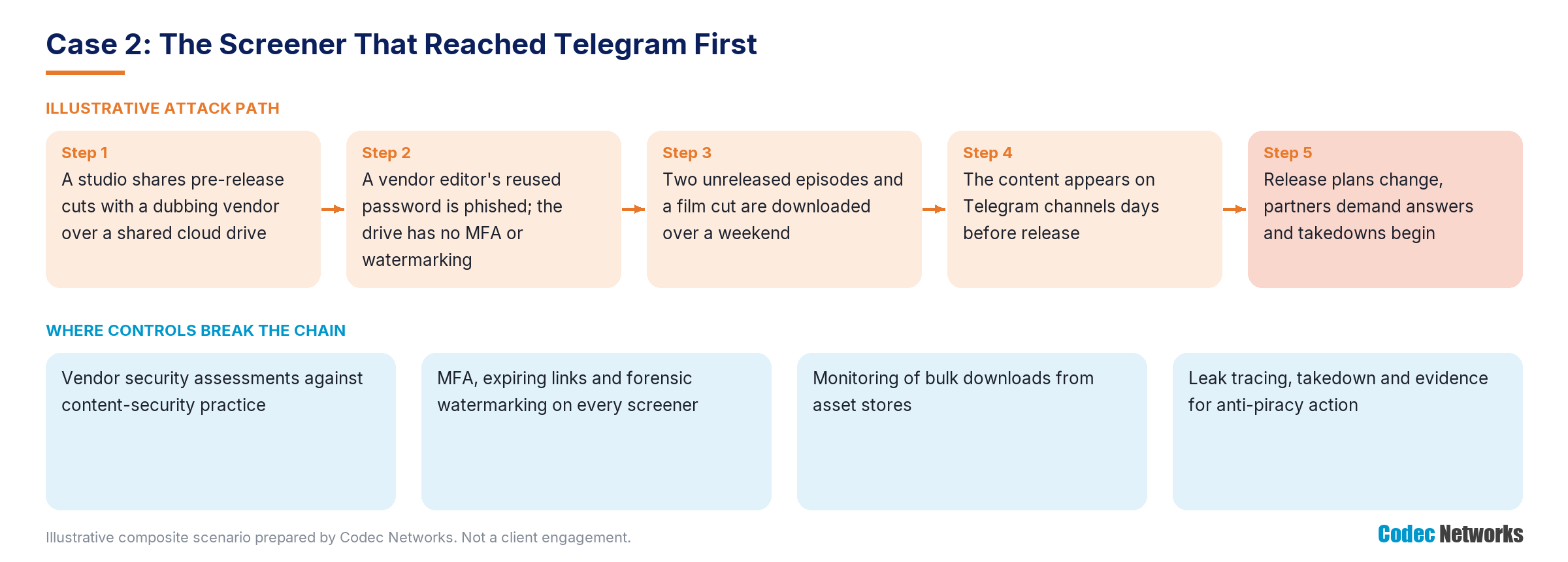
Figure 9: Illustrative attack path for Case Study 2 and the controls that break it.
What went wrong
- No vendor security assessment before sharing pre-release content.
- Shared drive without MFA or expiring, named links.
- No forensic watermarking to identify the source.
- No monitoring of bulk downloads or log retention at the vendor.
The impact
Studioco B lost part of the release value, faced contractual claims from its streaming partner, rebuilt its vendor programme and reported the incident.
The regulatory lens
- Copyright Act and Cinematograph (Amendment) Act, 2023: remedies and MIB nodal-officer takedowns available, but dependent on evidence of ownership and source.
- CERT-In Directions: incident reported within six hours of noticing it.
- Licensing contracts: content-security and notification clauses invoked by the platform partner.
How Codec Networks would help
|
Need |
Codec Networks response |
Bundle |
|
Know your vendors |
Vendor assessments against content-security practice before every release |
B9 |
|
Lock the asset store |
MFA, named and expiring links, download limits and watermarking |
B3 |
|
Trace and take down |
Leak forensics, source identification and evidence for takedowns |
B8 |
|
Key lessons Assess every vendor that holds a copy. Watermark and expire every screener. Monitor bulk downloads, wherever the drive lives. Keep evidence ready before the leak, not after. |
Case Study 3: The Ransomware That Took the Channel Off Air
The newsroom went quiet on a Saturday morning. Then the ads stopped.
|
At a glance |
|
|
Organisation |
A listed television broadcaster (“Broadco C”) running news and entertainment channels from a central playout facility |
|
Threat |
A stolen password on an exposed remote-access gateway, followed by lateral movement into playout, traffic and graphics systems on a flat network |
|
Why it is new |
Broadcast networks built for uptime are now connected to IT, vendors and the cloud |
|
Codec Networks services |
Segmentation and zero trust, managed SOC, incident response (Bundles B3, B7, B8) |
The scenario
Broadco C's engineering vendor used a remote-access gateway without MFA. Its password was harvested by an information-stealer on a contractor's laptop and sold, and the gateway gave access to a network where corporate IT, the newsroom and playout were not separated.
Attackers spent two weeks mapping the network, disabled the backup agent and, early on a Saturday, encrypted the traffic and scheduling system, ad-insertion servers, graphics engines and newsroom storage. Playout servers kept running from cached playlists, but schedules could not be updated.
Channels ran on a backup loop for two days. Live news and scheduled advertisements were lost, advertisers demanded make-goods, and Broadco C reported to CERT-In, briefed its Board and disclosed the incident in its quarterly governance report.
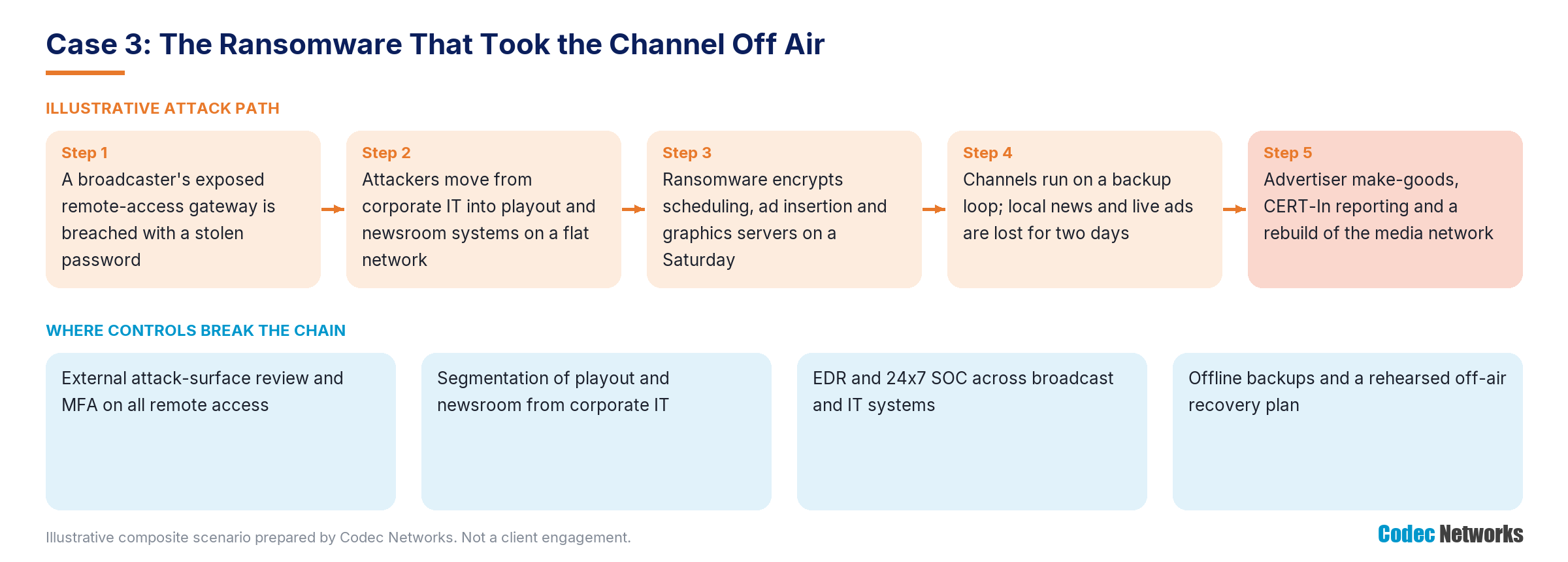
Figure 10: Illustrative attack path for Case Study 3 and the controls that break it.
What went wrong
- Remote-access gateway without MFA used by vendors.
- Flat network joining corporate IT, newsroom and playout.
- Backups reachable from compromised credentials.
- No EDR or SOC coverage of broadcast systems.
The impact
Broadco C lost two days of advertising and local programming, paid recovery and make-good costs, disclosed the incident as a listed company and segmented its media network.
The regulatory lens
- CERT-In Directions: incident reported within six hours; 180-day logs needed for the investigation.
- SEBI LODR: cyber incident disclosed in the quarterly corporate governance report.
- Advertiser and distribution contracts: make-goods and service commitments triggered.
How Codec Networks would help
|
Need |
Codec Networks response |
Bundle |
|
Separate the media network |
Segmentation of playout and newsroom from IT, MFA on every remote path |
B3 |
|
See the intruder early |
EDR and 24x7 SOC across broadcast and corporate systems |
B7 |
|
Recover with evidence |
Ransomware response, forensics and reporting support |
B8 |
|
Key lessons Put MFA on every remote-access path. Segment playout from corporate IT. Keep backups offline and test them. Rehearse staying on air from a clean system. |
Case Study 4: The Anchor Who Never Said It
Her face, her voice, her studio backdrop—and a scheme she had never heard of.
|
At a glance |
|
|
Organisation |
A digital news publisher (“Newsco D”) with a popular anchor and a video channel with millions of subscribers |
|
Threat |
Deepfake videos of the anchor promoting an investment scam, amplified by a hijacked channel after a producer's session token was stolen |
|
Why it is new |
Generative AI makes convincing fakes cheap, and session theft bypasses passwords and MFA |
|
Codec Networks services |
Awareness and exercises, account and identity hardening, brand monitoring and SOC (Bundles B10, B3, B7) |
The scenario
Scammers trained a voice clone on hours of Newsco D's broadcasts and produced videos of its best-known anchor recommending a trading app. The videos ran as ads and short clips across several platforms.
At the same time, a producer downloaded what looked like a sponsorship brief. It installed an information-stealer that copied browser session tokens, and attackers used them to take over Newsco D's video channel without needing a password, renaming it and streaming the scam live.
Viewers lost money and blamed the publisher. Advertisers paused campaigns, takedown requests took days because Newsco D had no evidence pack or named contacts, and the anchor faced abuse online.
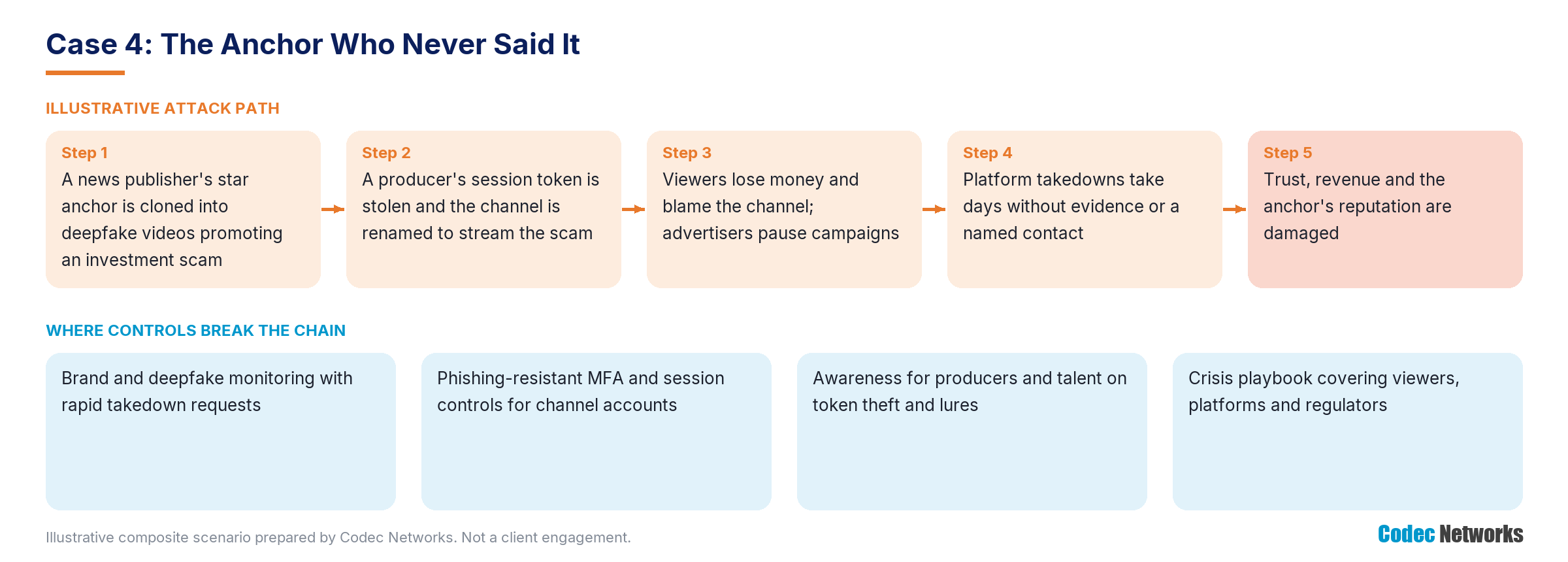
Figure 11: Illustrative attack path for Case Study 4 and the controls that break it.
What went wrong
- No monitoring for impersonation of talent and brand.
- Session tokens on unmanaged devices with no session controls.
- No awareness for producers on sponsorship lures.
- No takedown playbook or platform contacts.
The impact
Newsco D lost advertising revenue and audience trust, recovered its channel after several days, reported the incident and sought legal remedies for the anchor.
The regulatory lens
- IT Rules as amended in 2026: platforms must label synthetic content and act on lawful orders within three hours; complaints and evidence speed removal.
- Personality rights: courts have granted relief to public figures against AI-generated misuse.
- CERT-In Directions: account compromise reported within six hours.
How Codec Networks would help
|
Need |
Codec Networks response |
Bundle |
|
Train the newsroom |
Awareness and tabletop exercises on token theft, lures and deepfake response |
B10 |
|
Harden the accounts |
Phishing-resistant MFA, managed devices and session controls for channel admins |
B3 |
|
Find the fakes |
Brand and deepfake monitoring with SOC alerting and takedown evidence |
B7 |
|
Key lessons Monitor for your talent's face and voice. Treat session tokens like passwords. Keep evidence packs and platform contacts ready. Tell your audience quickly where the truth is. |
Case Study 5: The Tournament API That Leaked Its Players
The final drew record viewers. The API had drawn a scraper weeks earlier.
|
At a glance |
|
|
Organisation |
A gaming and esports platform (“Gameco E”) running mobile tournaments with many teenage players |
|
Threat |
An unauthenticated player API exposing profiles, ages, emails and payout details, followed by DDoS on match servers during the final |
|
Why it is new |
E-sports is growing under the 2025 law, and its players are often minors |
|
Codec Networks services |
Game, app and API testing, DPDP programme, managed SOC (Bundles B2, B6, B7) |
The scenario
Gameco E launched a tournament app built in six weeks. Its player-lookup API returned full profiles, including dates of birth, emails and prize-payout details, to anyone who supplied a player ID, and it had no rate limits.
A scraper harvested the records of lakhs of players, many of them under 18. During the televised final, a DDoS attack overwhelmed the match servers twice while cheat tools exploiting a back-end flaw circulated among players.
Parents complained that their children's data had been exposed, a sponsor withdrew from the next season, and Gameco E had to rebuild its back end, report the incident and explain how it handled minors' data.
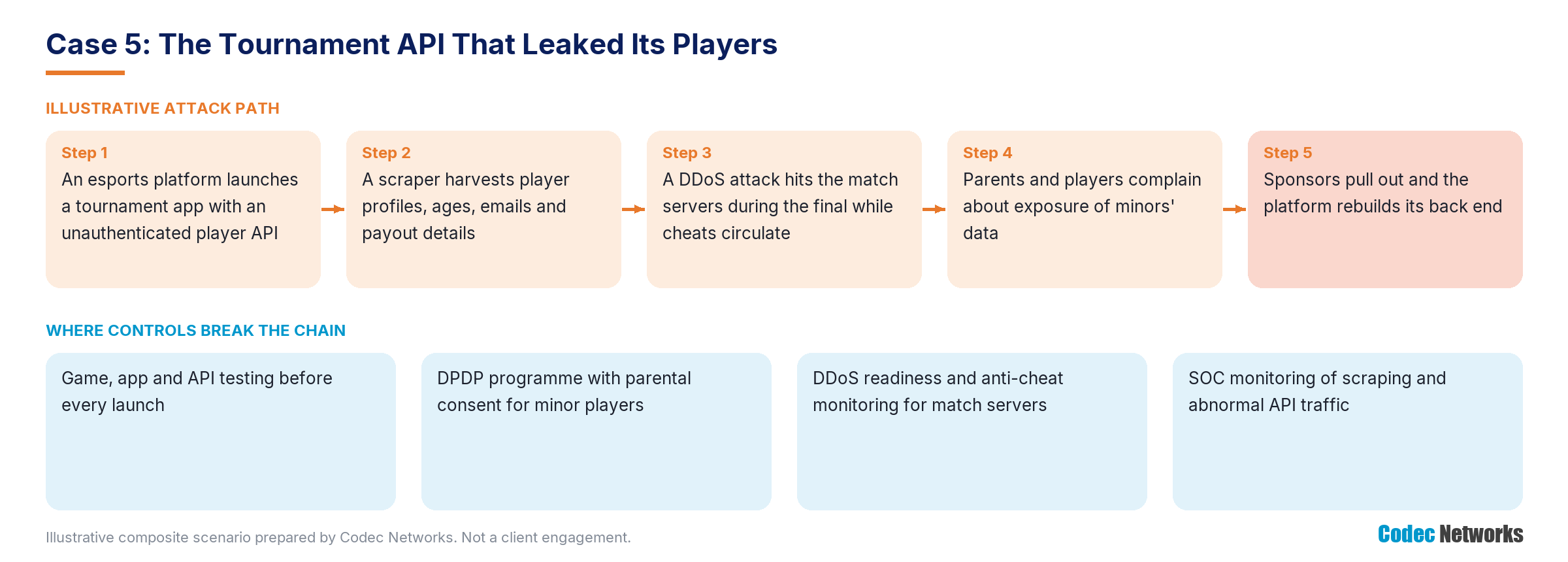
Figure 12: Illustrative attack path for Case Study 5 and the controls that break it.
What went wrong
- Unauthenticated API returning full player records.
- No parental consent or data minimisation for minor players.
- No DDoS readiness or anti-cheat monitoring for the final.
- No SOC monitoring of scraping or abnormal API traffic.
The impact
Gameco E lost a sponsor and player trust, reported to CERT-In, rebuilt its platform and committed to a DPDP programme ahead of May 2027.
The regulatory lens
- DPDP: children's data processed without verifiable parental consent and exposed; intimation duties once provisions commence.
- Online Gaming Act 2025: e-sports operators under the new framework face scrutiny of player protection and platform conduct.
- CERT-In Directions: incident reported within six hours.
How Codec Networks would help
|
Need |
Codec Networks response |
Bundle |
|
Test before launch |
Game, app and API testing including authorisation, rate limits and anti-cheat logic |
B2 |
|
Protect young players |
DPDP programme with parental consent, minimisation and retention |
B6 |
|
Defend the final |
SOC monitoring of scraping and DDoS with event-day surge cover |
B7 |
|
Key lessons Authorise every API call, not just every login. Collect less data about minors. Plan DDoS defence before the final. Test the back end before the launch party. |
Talk to Codec Networks
|
Contact Codec Networks Pvt. Ltd. New Delhi: 507, 5th Floor, New Delhi House, Barakhamba Road, Connaught Place, New Delhi – 110001 Gurugram: 707, 7th Floor, Silverton Tower, Golf Course Extension Road, Sector 50, Gurugram – 122018, Haryana Landline: 011 430 496 96 | 011 437 522 99 Mobile: +91 99716 76124 | +91 88007 88220 | +91 88003 31124 Email: mktg@codecnetworks.com Web: www.codecnetworks.com |