

Resources Categories
INDUSTRY FACT FILE · PHARMACEUTICALS & LIFE SCIENCES
Five New Case Studies in Pharma Security
Original 2026 case studies, each written as a blog post, showing how current threats play out in pharma and life sciences and how Codec Networks services break the attack chain.
|
In this document 1. About these case studies 2. Case Study 1: The Plant That Stopped for a Week 3. Case Study 2: The Formulation That Left With a Scientist 4. Case Study 3: The Trial Data on a CRO's Laptop 5. Case Study 4: The Audit Trail Someone Switched Off 6. Case Study 5: The Research Partner's Shared Drive |
About these case studies
These five case studies were written for this document set and have not been published elsewhere. Each is a composite scenario combining attack techniques and control failures widely observed in pharma and life sciences with the obligations that apply in India as of October 2026—in particular Revised Schedule M, the NDCT Rules, export-market data integrity rules, CERT-In's Directions and the DPDP framework.
|
Important disclosure The organisations described are fictional and the scenarios are illustrative. They are not accounts of real incidents, and they are not Codec Networks client engagements or claims of achieved outcomes. Their value lies in showing how connected weaknesses form an attack chain, which controls break it, and which services test those controls. |
|
Case study |
Organisation type |
Core threat |
Regulatory lens |
Primary bundles |
|
1. The Plant That Stopped for a Week |
Formulation manufacturer |
Ransomware crossing from IT into OT |
Schedule M; CERT-In |
B3, B7, B8 |
|
2. The Formulation That Left With a Scientist |
Specialty pharma company |
Insider IP exfiltration |
Trade secrets; contracts; DPDP |
B6, B7, B8 |
|
3. The Trial Data on a CRO's Laptop |
Contract research organisation |
Clinical data on an unencrypted endpoint |
NDCT Rules; ICMR; DPDP |
B9, B6, B8 |
|
4. The Audit Trail Someone Switched Off |
QC laboratory at a manufacturer |
Data integrity failure in lab systems |
Schedule M; Part 11; Annex 11 |
B4, B2, B5 |
|
5. The Research Partner's Shared Drive |
Biotech research collaboration |
State-backed espionage via a partner |
CERT-In; contracts |
B9, B7, B10 |
Case Study 1: The Plant That Stopped for a Week
The attack began in finance. It ended on the tablet line.
|
At a glance |
|
|
Organisation |
A formulation manufacturer (“Pharma A”) with export approvals |
|
Threat |
Ransomware spreading through a dual-homed engineering workstation into MES and SCADA |
|
Why it is new |
Weak IT/OT boundaries turn IT incidents into production stops |
|
Codec Networks services |
OT segmentation, SOC monitoring, incident response (Bundles B3, B7, B8) |
The scenario
Attackers phished a finance user and moved through Pharma A's IT network.
An engineering workstation connected to both IT and OT networks gave them a path into MES and SCADA servers, which were encrypted.
Batch production and release stopped for a week. Pharma A missed supply commitments and had to assess GMP record integrity.
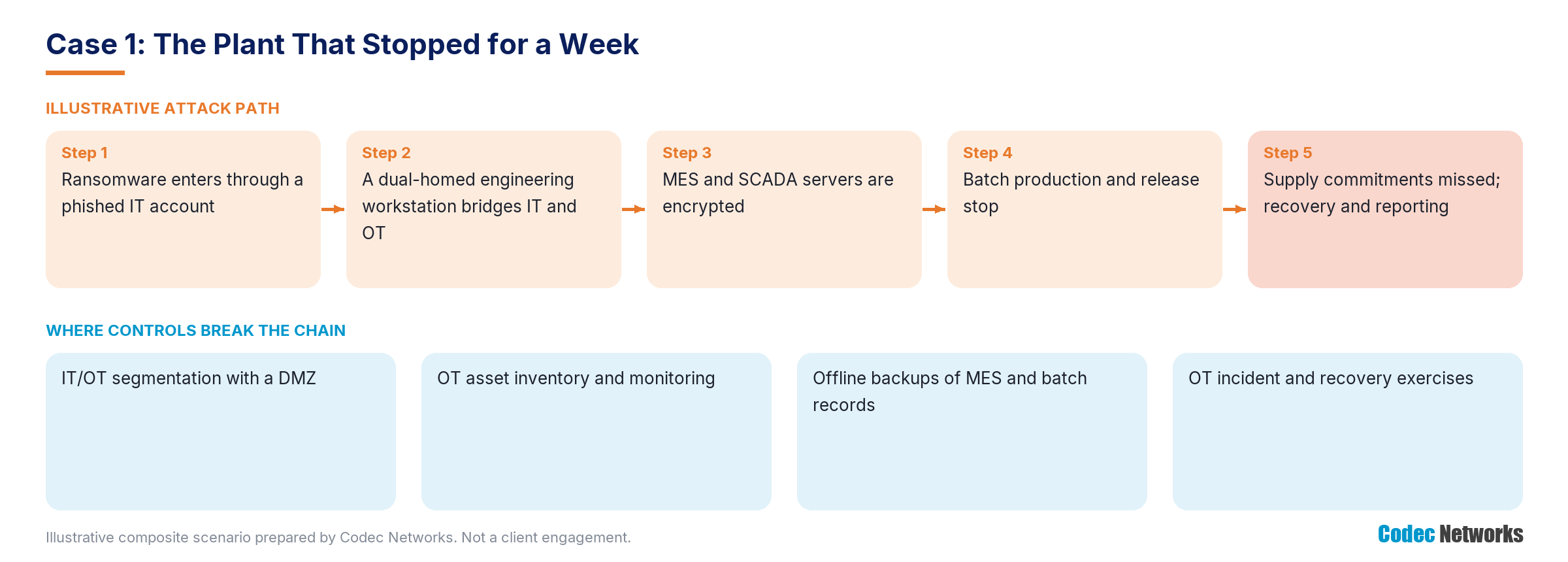
Figure 8: Illustrative attack path for Case Study 1 and the controls that break it.
What went wrong
- Dual-homed systems bridged IT and OT.
- No IT/OT DMZ.
- OT assets were not monitored.
- Batch records and OT configurations had no offline backups.
The impact
Pharma A lost production, faced customer penalties and had to show regulators and clients that records were intact.
The regulatory lens
- CERT-In Directions: incidents reported within six hours.
- Revised Schedule M: integrity and availability of GMP records and computerised systems.
- Export-market rules: data integrity expectations during inspections.
How Codec Networks would help
|
Need |
Codec Networks response |
Bundle |
|
Separate IT and OT |
OT segmentation and DMZ review |
B3 |
|
Watch the plant |
24x7 SOC with OT monitoring |
B7 |
|
Recover |
Ransomware response and OT recovery |
B8 |
|
Key lessons Eliminate dual-homed systems. Build an IT/OT DMZ. Monitor OT assets. Back up batch records offline. |
Case Study 2: The Formulation That Left With a Scientist
The files left weeks before the scientist did.
|
At a glance |
|
|
Organisation |
A specialty pharma company (“Pharma B”) developing complex generics |
|
Threat |
A departing scientist copying formulation and process files |
|
Why it is new |
Research IP is the company's most valuable asset |
|
Codec Networks services |
DLP and classification, UEBA, forensic investigation (Bundles B6, B7, B8) |
The scenario
A senior scientist accepted an offer from a competitor and resigned with a notice period.
In the weeks before leaving, the scientist copied formulation development files and process data to personal cloud storage and USB drives.
Months later the competitor filed for a similar product. Pharma B commissioned a forensic investigation to support legal action.
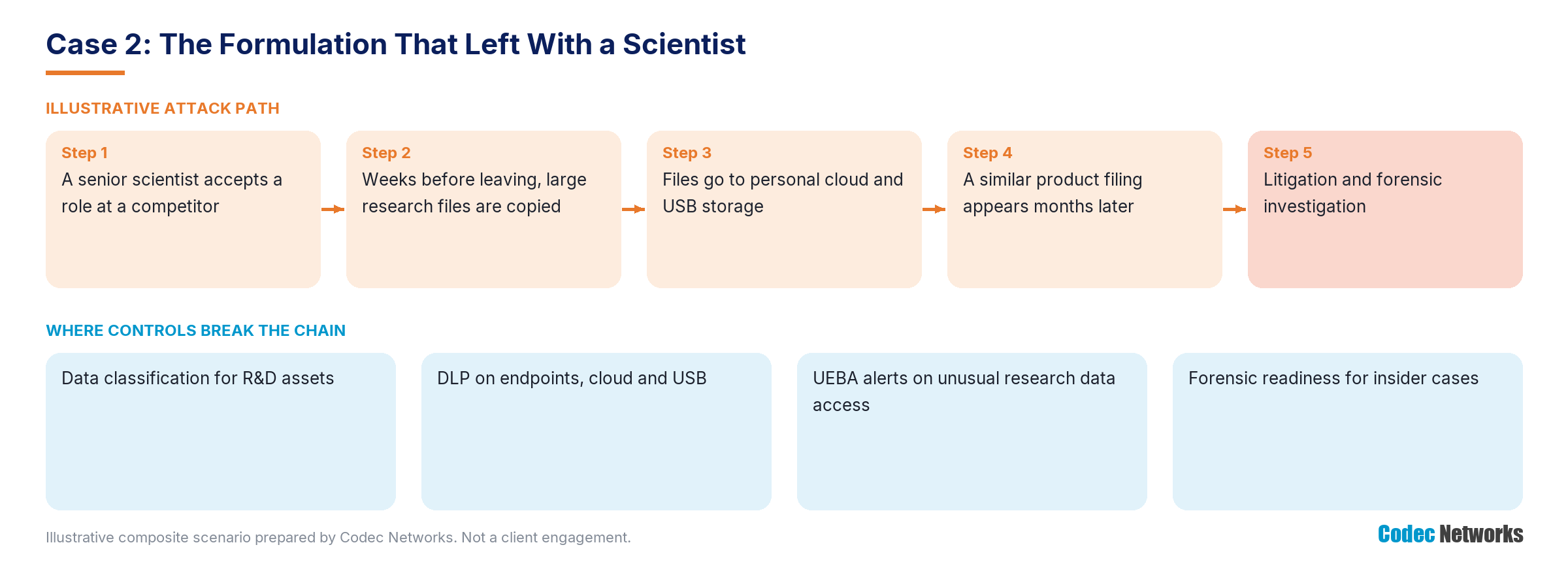
Figure 9: Illustrative attack path for Case Study 2 and the controls that break it.
What went wrong
- Research data was not classified.
- No DLP on cloud uploads and USB.
- Unusual access volumes raised no alert.
- Leavers' activity was not reviewed.
The impact
Pharma B faced litigation costs, potential loss of market exclusivity and a review of IP controls.
The regulatory lens
- Trade-secret and contract law: confidentiality obligations of employees.
- Evidence requirements: forensically sound collection for legal action.
- DPDP Act and Rules: employee monitoring must respect personal data obligations once provisions commence.
How Codec Networks would help
|
Need |
Codec Networks response |
Bundle |
|
Classify and protect |
Research data classification and DLP |
B6 |
|
Spot unusual access |
UEBA monitoring |
B7 |
|
Investigate |
Forensic investigation and evidence handling |
B8 |
|
Key lessons Classify research data. Control USB and cloud uploads. Monitor unusual access. Review leavers' activity. |
Case Study 3: The Trial Data on a CRO's Laptop
The data should never have left the EDC system.
|
At a glance |
|
|
Organisation |
A CRO (“CRO C”) monitoring a multi-site trial for a sponsor |
|
Threat |
A stolen laptop holding trial data exports without disk encryption |
|
Why it is new |
Exports outside validated systems escape their controls |
|
Codec Networks services |
CRO assessment, privacy programme, incident response (Bundles B9, B6, B8) |
The scenario
A CRO C monitor exported trial data from the EDC system to work offline during site visits.
The laptop was stolen from a vehicle, and disk encryption had not been enforced.
CRO C had to assess exposure of participants' health data and inform the sponsor and ethics committees.
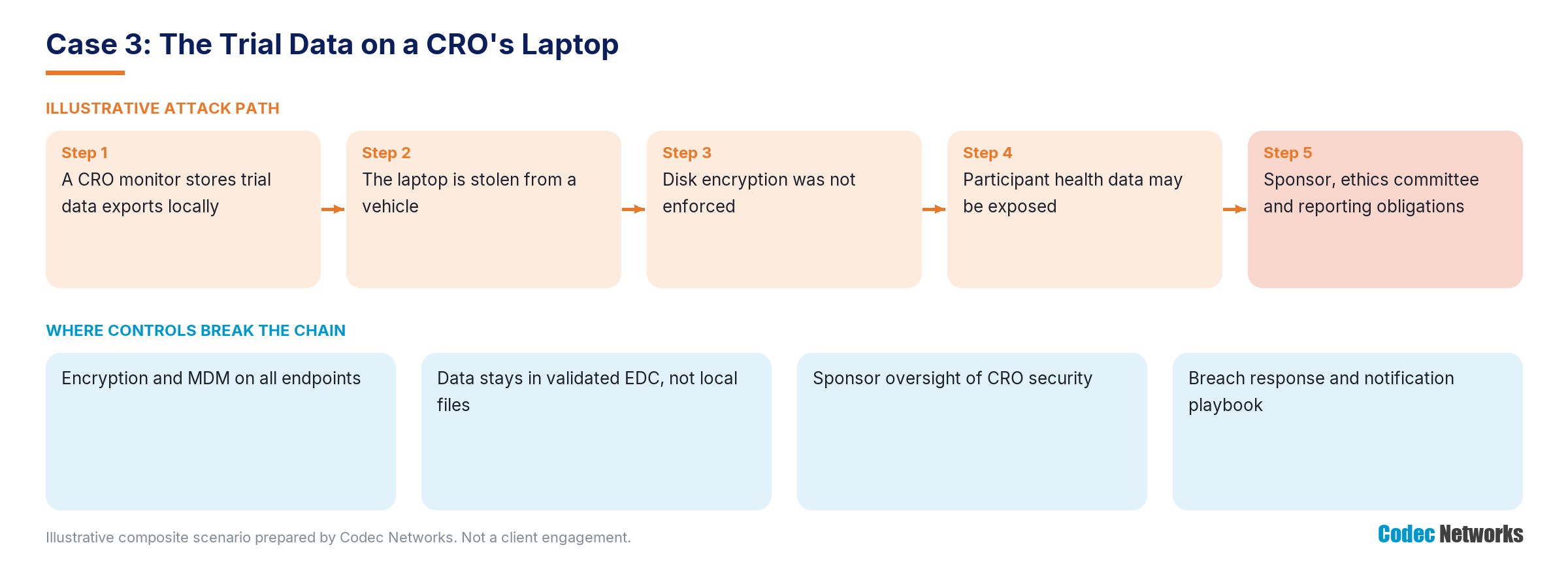
Figure 10: Illustrative attack path for Case Study 3 and the controls that break it.
What went wrong
- Data was exported outside validated systems.
- Disk encryption was not enforced.
- The sponsor had not assessed CRO endpoint controls.
- No breach playbook for trial data.
The impact
CRO C faced sponsor penalties, ethics committee reviews and potential DPDP exposure once breach provisions commence.
The regulatory lens
- NDCT Rules 2019 and ICMR guidelines: protection of trial participants and confidentiality of records.
- DPDP Act and Rules: safeguards and breach intimation once provisions commence.
- CERT-In Directions: incidents reported within six hours.
How Codec Networks would help
|
Need |
Codec Networks response |
Bundle |
|
Assess the CRO |
CRO security assessment |
B9 |
|
Protect participants |
Clinical data privacy programme |
B6 |
|
Respond |
Incident response and notification support |
B8 |
|
Key lessons Keep trial data in validated systems. Encrypt every endpoint. Assess CRO security. Plan for trial data breaches. |
Case Study 4: The Audit Trail Someone Switched Off
Nobody was hacked. The inspector still found a problem.
|
At a glance |
|
|
Organisation |
A manufacturer's QC lab (“Lab D”) using chromatography data systems |
|
Threat |
Shared logins and disabled audit trails allowing unrecorded reprocessing of results |
|
Why it is new |
Security weaknesses become data integrity findings |
|
Codec Networks services |
Data integrity assessment, application review, governance (Bundles B4, B2, B5) |
The scenario
Lab D's analysts shared a few generic logins on chromatography systems for convenience.
Audit trails had been disabled on some systems to 'save space', and results were sometimes reprocessed without records.
During an inspection, the gaps were identified, raising questions about product release decisions.
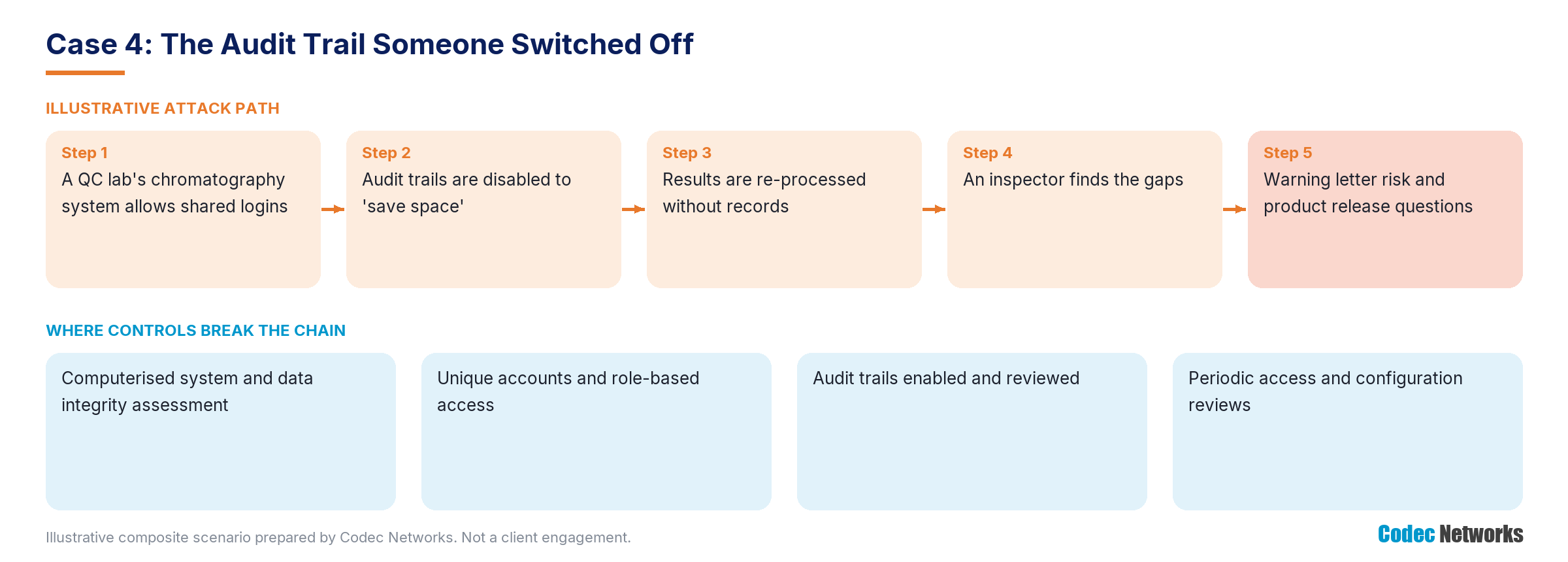
Figure 11: Illustrative attack path for Case Study 4 and the controls that break it.
What went wrong
- Shared logins on lab systems.
- Audit trails disabled.
- No periodic review of audit trails or access.
- Configuration changes were uncontrolled.
The impact
Lab D faced inspection findings, retesting and remediation costs, and risk to export market access.
The regulatory lens
- Revised Schedule M: expectations for computerised systems and data integrity.
- US FDA 21 CFR Part 11: controls for electronic records and signatures.
- EU GMP Annex 11: computerised system requirements.
How Codec Networks would help
|
Need |
Codec Networks response |
Bundle |
|
Assess integrity |
Computerised system and data integrity assessment |
B4 |
|
Fix the systems |
Lab application access and configuration review |
B2 |
|
Govern access |
Access and audit trail review procedures |
B5 |
|
Key lessons Give every user a unique account. Keep audit trails on. Review audit trails regularly. Control configuration changes. |
Case Study 5: The Research Partner's Shared Drive
The breach happened at the partner. The data was ours.
|
At a glance |
|
|
Organisation |
A biotech firm (“Biotech E”) co-developing a vaccine with a research institute |
|
Threat |
Spear-phishing of a partner researcher leading to theft from shared research drives |
|
Why it is new |
Research collaborations extend the attack surface |
|
Codec Networks services |
Partner assessment, threat hunting, phishing simulation (Bundles B9, B7, B10) |
The scenario
A state-backed group targeted researchers involved in Biotech E's vaccine collaboration with tailored phishing emails.
A partner researcher's account was compromised, giving access to shared drives holding joint research data.
Data was exfiltrated over months before threat intelligence prompted a hunt that uncovered the intrusion.
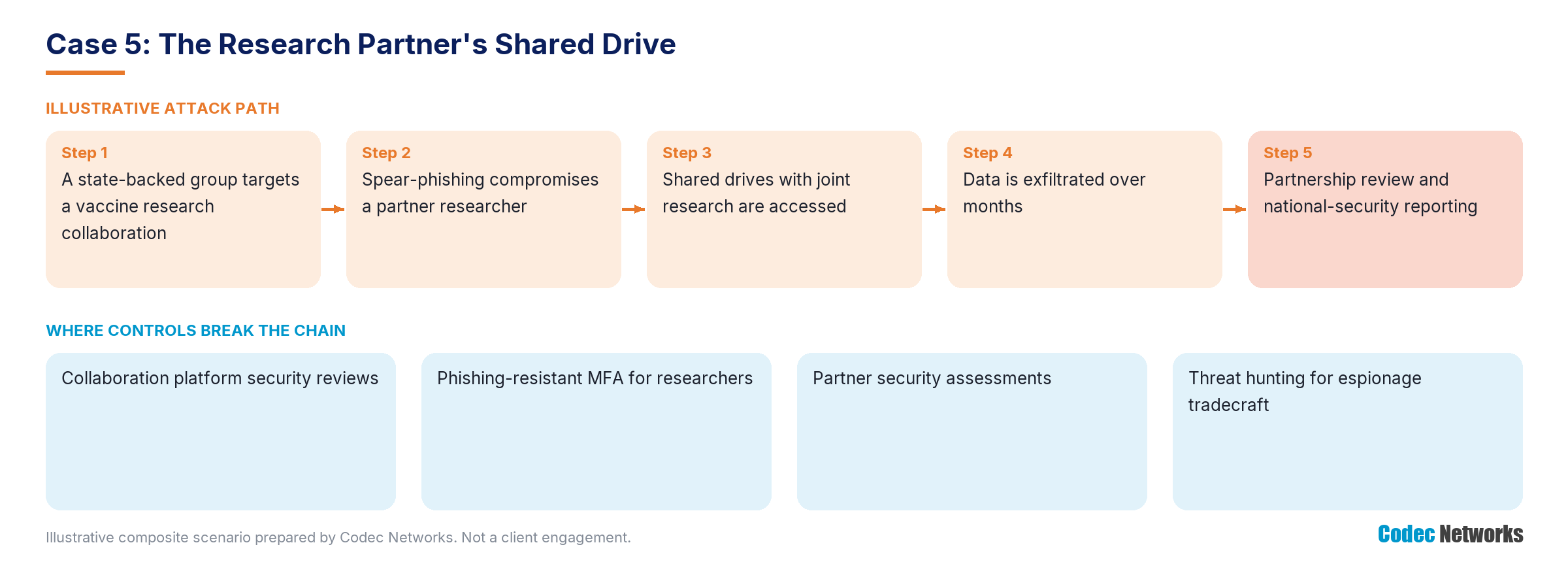
Figure 12: Illustrative attack path for Case Study 5 and the controls that break it.
What went wrong
- MFA was not phishing-resistant for researchers.
- Shared drives had broad access.
- Partner security was never assessed.
- No threat hunting for espionage tradecraft.
The impact
Biotech E reviewed the partnership, reported the incident and rebuilt its collaboration model.
The regulatory lens
- CERT-In Directions: incidents reported within six hours.
- Collaboration agreements: security and confidentiality obligations of partners.
- National security: coordination with authorities where research is strategic.
How Codec Networks would help
|
Need |
Codec Networks response |
Bundle |
|
Assess partners |
Research partner security assessment |
B9 |
|
Hunt |
Espionage-focused threat hunting |
B7 |
|
Prepare researchers |
Targeted phishing simulations |
B10 |
|
Key lessons Use phishing-resistant MFA for research. Restrict shared drive access. Assess partner security. Hunt for espionage tradecraft. |
Talk to Codec Networks
|
Contact Codec Networks Pvt. Ltd. New Delhi: 507, 5th Floor, New Delhi House, Barakhamba Road, Connaught Place, New Delhi – 110001 Gurugram: 707, 7th Floor, Silverton Tower, Golf Course Extension Road, Sector 50, Gurugram – 122018, Haryana Landline: 011 430 496 96 | 011 437 522 99 Mobile: +91 99716 76124 | +91 88007 88220 | +91 88003 31124 Email: mktg@codecnetworks.com Web: www.codecnetworks.com |